Boost Your Language Skills: Effective Learning Methods for All Levels
Embarking on the journey to learn a new language is an exciting endeavor, opening doors to new cultures, opportunities, and connections. However, many learners find themselves plateauing or struggling to find methods that truly resonate and yield results. This guide offers a comprehensive look at effective strategies to boost your language skills, catering to learners at every stage, from absolute beginners to those aiming for advanced fluency. We’ll delve into proven techniques that go beyond rote memorization, focusing on immersive learning and consistent practice to foster genuine linguistic competence.
Key Points:
- Personalized Learning Paths: Tailor your approach to your learning style and goals.
- Immersive Environments: Create or seek out situations where the target language is predominant.
- Consistent Practice: Regular, focused engagement is crucial for retention and progress.
- Active Recall & Spaced Repetition: Optimize memory with scientifically proven techniques.
- Cultural Integration: Understand the context to master the nuances of the language.
Mastering a New Language: The Core Principles for Success
Learning a new language is a marathon, not a sprint. Success hinges on understanding fundamental principles and applying them consistently. The most effective approaches prioritize active engagement and a deep connection with the language, moving beyond passive reception. For anyone looking to boost their language skills, a foundational understanding of these principles is paramount.
Understanding Your Learning Style
Before diving into specific techniques, it’s essential to recognize that we all learn differently. Identifying your primary learning style—whether it's visual, auditory, kinesthetic, or reading/writing—allows you to optimize language learning methods for maximum efficiency. For instance, visual learners might benefit from flashcards with images, while auditory learners could thrive with podcasts and music. Kinesthetic learners might find role-playing exercises or acting out dialogues most effective.
The Power of Immersion in Language Acquisition
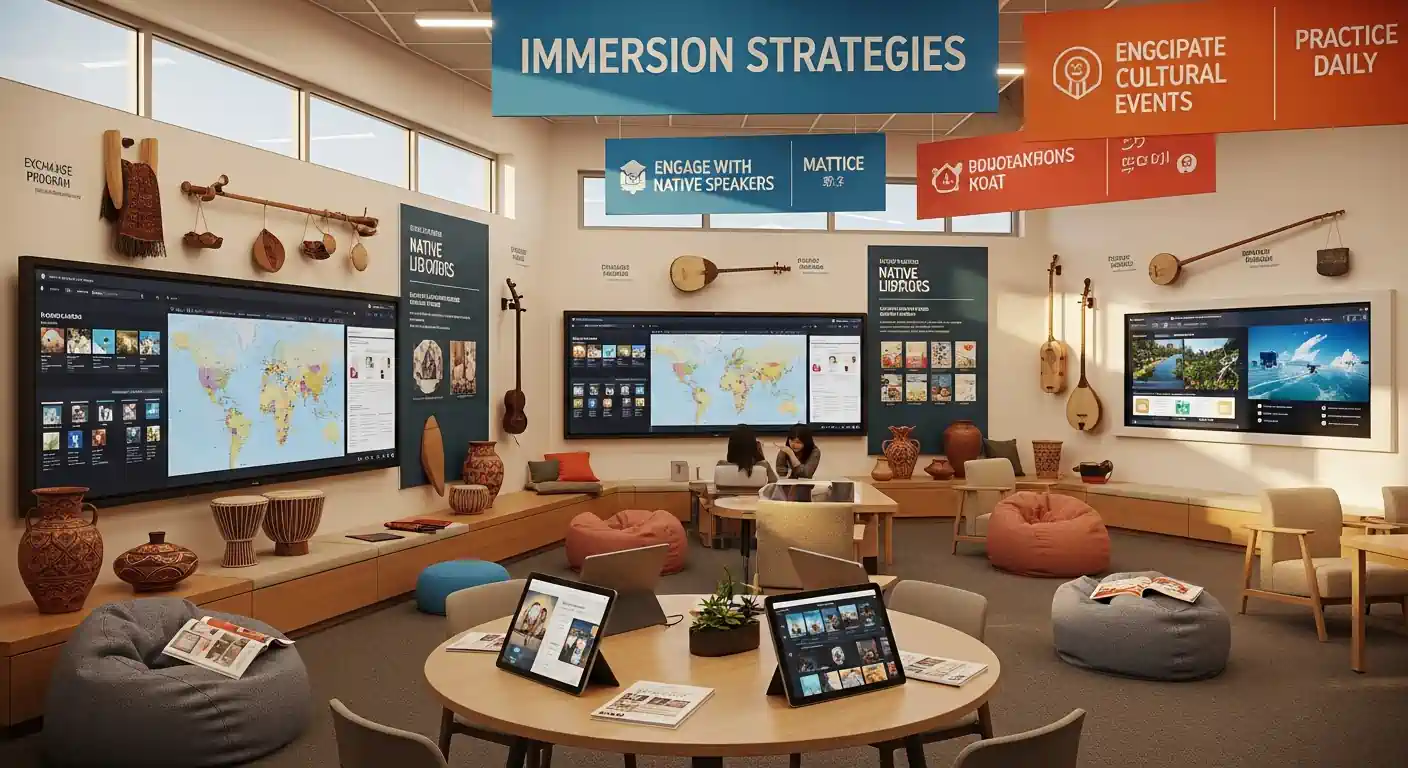
Immersion is widely considered one of the most potent ways to boost language fluency. It involves surrounding yourself with the target language as much as possible, mimicking how we acquire our native tongue as children. This can be achieved through various means, from living in a foreign country to creating an immersive environment at home.
Creating an Immersive Environment at Home
Even without traveling, you can significantly boost your language acquisition by integrating the language into your daily life. This involves:
- Changing Device Language: Set your phone, computer, and social media to your target language.
- Consuming Media: Watch movies, TV shows, and YouTube videos, initially with subtitles in your native language, then in the target language, and eventually without any. Listen to music, podcasts, and audiobooks.
- Reading: Start with children's books or simplified texts, gradually moving to articles, blogs, and novels.
- Labeling Objects: Place labels on everyday items around your house in the target language.
This consistent exposure helps you become familiar with vocabulary, grammar, and pronunciation in a natural context.
Consistent Practice: The Engine of Language Learning
Consistency is king when it comes to language learning. Short, regular study sessions are far more effective than infrequent, lengthy ones. This principle is supported by research into memory consolidation and skill acquisition. For instance, a 2024 study published in the Journal of Applied Linguistics highlighted that learners engaging in daily 30-minute practice sessions showed significantly higher retention rates compared to those studying for 3 hours once a week.
Daily Habits for Language Mastery
To boost your language skills effectively, integrate these daily habits:
- Vocabulary Review: Use flashcard apps like Anki or Quizlet, which employ spaced repetition systems (SRS).
- Grammar Drills: Dedicate a short period to exercises that reinforce grammatical structures.
- Speaking Practice: Even if it's just talking to yourself, narrating your day, or rehearsing conversations.
- Listening Comprehension: Listen to a short podcast episode or a few minutes of a news broadcast.
- Writing Practice: Keep a simple journal, write short stories, or practice composing emails in the target language.
Advanced Strategies to Elevate Your Language Proficiency
Once you've established a solid foundation, it's time to explore more advanced techniques to truly boost your language skills and move towards native-like fluency. These methods focus on nuanced understanding, spontaneous expression, and a deeper cultural connection.
Delving into Active Recall and Spaced Repetition
These are not just buzzwords; they are scientifically validated methods to enhance memory.
- Active Recall: Instead of passively re-reading material, actively try to retrieve information from your memory. This could involve answering questions about a text, recalling vocabulary without looking at the translation, or explaining a grammar rule.
- Spaced Repetition Systems (SRS): These algorithms schedule reviews of information at increasing intervals, presenting you with challenging items more frequently and easier items less often. This ensures that information is reviewed just before you're about to forget it, maximizing retention.
The Art of Conversation: Speaking and Listening
Fluency is ultimately about communication. Therefore, prioritizing speaking and listening practice is non-negotiable.
Finding Conversation Partners
- Language Exchange Apps: Platforms like Tandem or HelloTalk connect you with native speakers who are learning your language.
- Online Tutors: Services like italki or Preply offer affordable one-on-one sessions with qualified teachers.
- Local Meetups: Many cities have language exchange groups or conversation clubs.
Differentiated Value: A unique approach gaining traction is leveraging AI-powered chatbots for conversational practice. These bots offer 24/7 availability and can provide instant feedback on grammar and vocabulary, acting as a safe space to make mistakes without judgment. This is a significant advantage over traditional methods, offering unprecedented practice opportunities.
Cultural Context: Beyond Words
Understanding the culture associated with a language is crucial for true mastery. Idioms, humor, politeness levels, and even non-verbal cues are deeply embedded in culture.
- Explore Cultural Nuances: Learn about the history, customs, and social etiquette of the countries where the language is spoken.
- Engage with Native Content: Beyond media, explore literature, art, and music that reflect the cultural landscape.
- Attend Cultural Events: If possible, attend festivals, lectures, or exhibitions related to the target culture.
A 2025 report by the International Journal of Cultural Studies emphasized that learners who actively engaged with cultural aspects of a language demonstrated faster acquisition of idiomatic expressions and a more nuanced understanding of social interactions.
Overcoming Common Language Learning Challenges
Even with the best methods, learners often face hurdles. Recognizing and addressing these challenges is key to sustained progress and preventing frustration.
Dealing with Language Plateaus
A plateau is a phase where progress seems to halt. It's a common experience, but with the right strategies, you can push through.
- Re-evaluate Your Goals: Are they realistic? Have they evolved?
- Diversify Your Learning Methods: If you've been focusing heavily on grammar, switch to more conversational practice, or vice versa.
- Challenge Yourself: Try reading more complex texts or engaging in debates.
- Seek Feedback: Ask native speakers or tutors to identify areas for improvement.
Maintaining Motivation and Combating Procrastination
Language learning requires sustained effort. Keeping motivation high is crucial.
- Set SMART Goals: Specific, Measurable, Achievable, Relevant, Time-bound goals.
- Reward Yourself: Acknowledge milestones with small rewards.
- Find a Study Buddy: Accountability can be a powerful motivator.
- Connect with the 'Why': Remind yourself of your initial reasons for learning the language.
Conclusion: Your Path to Enhanced Language Skills
Boosting your language skills is an achievable goal with the right approach. By embracing immersive learning and consistent practice, tailoring methods to your learning style, and actively engaging with the language and its culture, you can unlock new levels of proficiency. Remember, every step taken, no matter how small, contributes to your overall progress. The journey may have its challenges, but the rewards of fluent communication and cultural understanding are immense.
Don't let learning become a chore. Make it an adventure! Explore these effective methods and discover which ones best suit your journey to boost your language skills. The world is waiting for you to speak its language.
Frequently Asked Questions
Q1: What is the most effective way to learn vocabulary? A1: The most effective vocabulary learning involves using Spaced Repetition Systems (SRS) combined with active recall. Apps like Anki are excellent for this, as they present words at optimal intervals for memory retention. Associating new words with images or personal experiences also significantly boosts recall.
Q2: How can I improve my listening comprehension without overwhelming myself? A2: Start with materials slightly above your current level, using transcripts initially. Listen to podcasts, music, or short news clips, focusing on understanding the gist before diving into specific words. Gradually decrease reliance on transcripts and subtitles as your comprehension improves.
Q3: Is it better to focus on grammar or speaking when starting a new language? A3: While both are important, for beginners, a balanced approach is best. Focus on essential grammar structures that enable basic communication, but prioritize speaking from day one. Don't be afraid to make mistakes; they are a natural part of the learning process.
Q4: How long does it typically take to become fluent in a new language? A4: Fluency timelines vary greatly depending on the language's difficulty relative to your native tongue, the time invested, and the learning methods used. However, consistent, focused effort over several months to a few years is generally required for advanced proficiency.
Continue Your Language Learning Journey
Ready to take the next step? Dive deeper into specific strategies for pronunciation, explore advanced grammar concepts, or learn how to leverage technology to accelerate your progress. Consider revisiting articles on effective goal setting or understanding the cultural nuances of your target language for a well-rounded learning experience.
- Share your favorite language learning tips in the comments below!
- Subscribe to our newsletter for more insights and strategies to boost your language skills.
- Follow us on social media for daily language learning challenges and inspiration.