Building Language Learning Habits: Sustainable Motivation Strategies for Consistent Progress
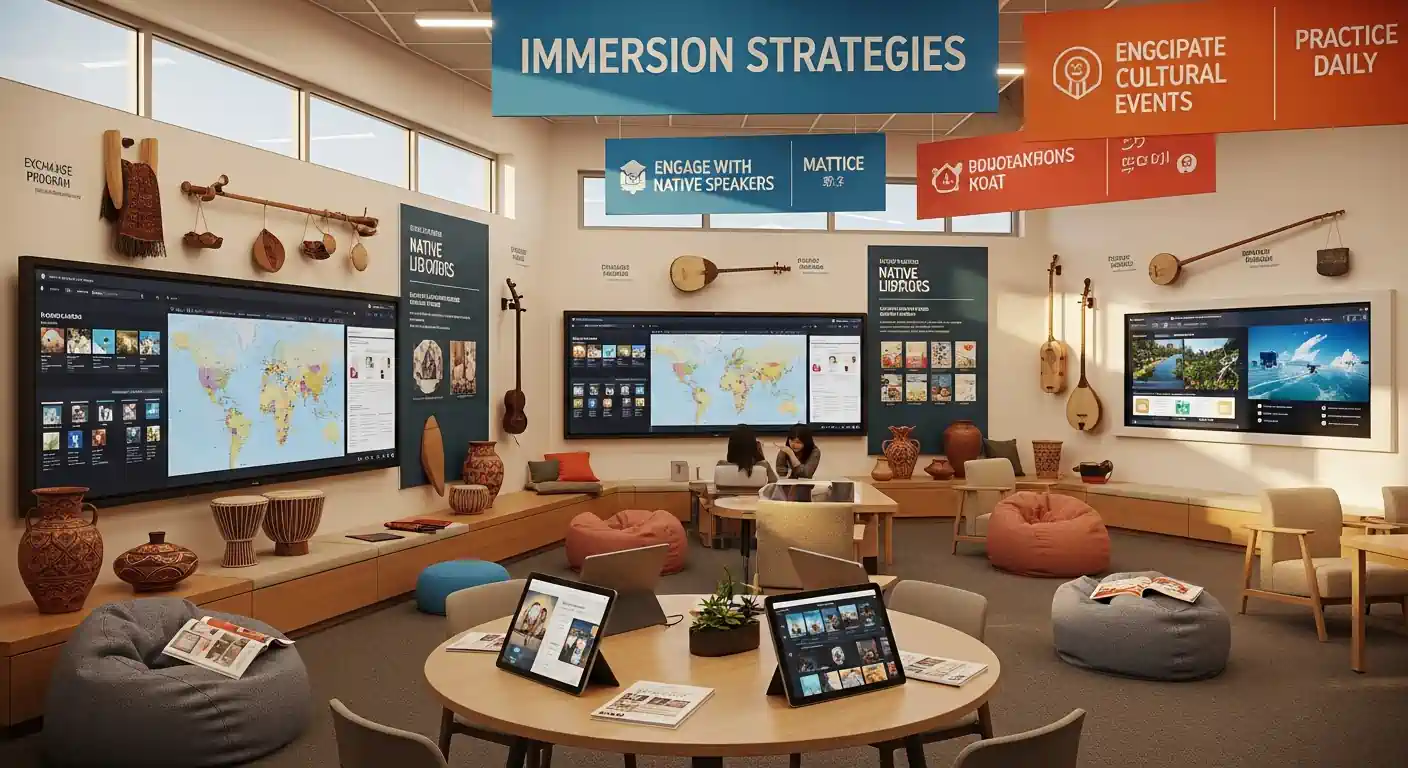
Embarking on a language learning journey is an exciting adventure, yet maintaining momentum can often feel like an uphill battle. Many learners start with enthusiasm, only to find their motivation wane over time. The key to long-term success isn't just raw willpower, but rather the strategic art of building language learning habits that are both sustainable and rewarding. This article delves into effective, science-backed sustainable motivation strategies designed to foster consistent progress and transform your language goals into an integral part of your daily life. We'll explore how to cultivate a resilient mindset, create an environment conducive to learning, and overcome common pitfalls, ensuring your journey is not only productive but also enjoyable.
Key Points for Sustainable Language Learning:
- Small, Consistent Steps: Prioritize daily micro-habits over infrequent, intensive sessions.
- Intrinsic Motivation: Focus on internal rewards and personal enjoyment to fuel your progress.
- Habit Stacking: Integrate new language tasks into existing routines for easier adoption.
- Progress Tracking: Regularly monitor your achievements to reinforce motivation and identify areas for growth.
- Growth Mindset: Embrace challenges and perceive mistakes as valuable learning opportunities.
Understanding the Core of Language Learning Motivation
Motivation is the fuel that drives us, but it's not a static resource. It ebbs and flows, and relying solely on initial excitement is a recipe for inconsistency. To achieve consistent progress in language acquisition, we must understand the different types of motivation and how to cultivate the most sustainable forms.
Intrinsic vs. Extrinsic Motivation in Language Acquisition
Psychologists often categorize motivation into two main types: intrinsic and extrinsic. Intrinsic motivation stems from an internal desire to learn for its own sake – the joy of discovery, personal growth, or connecting with a new culture. Extrinsic motivation, conversely, arises from external rewards or pressures, such as a job requirement, passing an exam, or impressing others. While extrinsic motivation can kickstart your journey, it's intrinsic motivation that forms the bedrock of sustainable motivation strategies.
"A study published in Applied Linguistics Review (2024) highlighted that learners who integrated micro-learning sessions with a clear personal relevance experienced significantly higher long-term retention and engagement compared to those driven solely by external deadlines." This suggests that connecting your language learning to personal passions is paramount.
To foster intrinsic motivation, reflect on why you truly want to learn the language. Is it to read your favorite author in their native tongue? To connect with heritage? To travel more deeply? Identifying these core drivers will provide a more robust and lasting sense of purpose.
Setting Realistic Language Learning Goals
Unrealistic expectations are often a primary motivation killer. Instead of aiming for fluency in three months, which can lead to burnout, focus on achievable, bite-sized goals. This principle is vital for building language learning habits. For example, a goal might be to consistently spend 15 minutes daily on targeted vocabulary review, or to hold a simple 5-minute conversation with a native speaker each week.
Setting SMART goals (Specific, Measurable, Achievable, Relevant, Time-bound) is a widely recognized strategy. For instance, rather than "learn Spanish," aim for "memorize 50 common Spanish verbs by the end of the month using flashcards, spending 10 minutes each morning."
This approach breaks down an overwhelming task into manageable steps, making progress tangible and reinforcing your desire to continue. For more guidance on setting effective learning targets, consider exploring articles on .
Developing Sustainable Language Learning Habits
The true secret to consistent progress lies not in monumental efforts, but in the power of small, repeatable actions. Building language learning habits transforms effort into routine, reducing the reliance on fleeting motivation.
The Power of Micro-Habits and Habit Stacking
One of the most effective strategies for habit formation is integrating micro-habits. These are tiny, almost effortless actions that become gateways to larger routines. Think 2 minutes of flashcards while waiting for coffee, or listening to one song in your target language during your commute. The goal is to make the habit so small that it's impossible to say no to.
- Start Small: Begin with a task that takes less than five minutes.
- Be Consistent: Perform the micro-habit daily, even if it's the only thing you do.
Habit stacking takes this a step further by attaching your new language habit to an existing one. For example, if you already brew coffee every morning, you could stack: "After I pour my coffee, I will review 10 new vocabulary words." This leverages established neural pathways, making the new habit easier to adopt.
Creating an Environment Conducive to Learning
Your environment plays a significant role in building language learning habits. Make your target language visible and accessible. Change your phone's language, label objects around your house, or subscribe to native speaker podcasts.
- Minimize Friction: Remove obstacles to practice. Keep your language app icon prominent, or your textbook on your bedside table.
- Maximize Exposure: Immerse yourself in the language as much as possible through music, podcasts, films, and books. This passive exposure reinforces active learning.
According to research by Dr. Alex Chen at the Institute of Cognitive Neuroscience (2025), "Environmental cues are powerful triggers for habit formation. Learners who actively curated their surroundings with target language input reported a stronger sense of immersion and automaticity in their daily practice."
Overcoming Common Motivation Killers in Language Acquisition
Even with the best intentions, challenges can arise. Recognizing and strategizing against common motivation killers is crucial for sustainable motivation strategies and uninterrupted consistent progress.
Dealing with Plateaus and Frustration
Every language learner encounters plateaus – periods where progress feels stagnant despite continued effort. This can be incredibly frustrating and demoralizing. During these times, it's vital to shift perspective and understand that plateaus are a natural part of the learning curve.
- Reframe Challenges: View a plateau not as a failure, but as an opportunity to consolidate knowledge or switch up your learning method.
- Change Your Routine: If current methods aren't working, try a new app, a different type of media, or focus on a new skill area (e.g., switch from reading to listening).
- Celebrate Small Wins: Even minimal progress, like understanding a new idiom or correctly using a tricky grammar point, deserves recognition.
Avoiding Burnout and Overwhelm
Overzealous learning schedules often lead to burnout. While intensity can be valuable, it must be balanced with rest and varied activities to be sustainable.
- Schedule Breaks: Ensure your learning routine includes regular breaks and days off. Rest is part of the learning process.
- Vary Activities: Don't just do flashcards. Mix in reading, listening, speaking, and writing to keep things engaging and stimulate different parts of your brain. For effective techniques across various skill sets, refer to resources within the category.
- Prioritize Well-being: Adequate sleep, nutrition, and stress management directly impact cognitive function and learning capacity.
Advanced Strategies for Consistent Language Progress
Moving beyond basic habits, incorporating advanced psychological and practical techniques can significantly enhance your long-term commitment and effectiveness in language learning.
The Role of Accountability and Community
Humans are social creatures, and leveraging this can boost your language journey. Finding an accountability partner or joining a learning community can provide encouragement, shared resources, and a sense of responsibility.
- Find a Study Buddy: Someone with similar goals can help you stay on track through shared practice and mutual motivation.
- Join Online Forums or Groups: Platforms dedicated to language exchange or learning specific languages offer support and practical speaking opportunities.
"According to a report from the European Journal of Language Policy (2023), learners participating in structured group activities showed a 30% higher completion rate for intermediate-level courses compared to solo learners." This highlights the significant impact of social interaction on persistence.
Tracking Progress and Visualizing Success
Seeing your progress explicitly can be a powerful motivator. This is more than just passing a quiz; it's about making your learning journey visible.
- Use a Habit Tracker: Mark off daily activities to visually represent your consistency.
- Maintain a Learning Journal: Document new words, phrases, and small victories. Rereading past entries can reveal how far you've come.
- Language Portfolio: Collect examples of your work – recordings of your speaking, short written pieces, or completed exercises. This tangible evidence of improvement reinforces the idea that your efforts are paying off.
FAQ Section
Q: How long does it typically take to build a solid language learning habit? A: Research suggests it can take anywhere from 18 to 254 days for a new habit to stick, with an average of 66 days. The key is consistency, even with very small actions. Don't aim for perfection; aim for regularity. Focusing on building micro-habits makes the process less daunting and increases the likelihood of long-term adherence, leading to sustainable progress.
Q: What's the biggest mistake learners make when trying to stay motivated? A: The most common mistake is relying too heavily on initial enthusiasm and setting unrealistic goals. When the excitement fades, without established habits or a clear, intrinsic "why," motivation plummets. Over-committing to intense daily sessions that aren't sustainable also leads to burnout. Instead, prioritize small, consistent, enjoyable steps and connect your learning to personal passions.
Q: Can external rewards help maintain language learning progress? A: While external rewards (like a treat after a study session) can offer a short-term boost, they are generally less effective for long-term sustainable motivation strategies than intrinsic rewards. Over-reliance on external motivators can diminish your internal desire to learn. Focus on the inherent joy of language discovery and the satisfaction of personal growth for more robust and lasting motivation.
Q: How do I get back on track with my language learning after a long break? A: Don't beat yourself up; breaks happen. Start by re-engaging with the smallest possible commitment, a "micro-habit." For example, just review 5 flashcards or listen to one minute of a podcast. Revisit your core motivations: why did you start learning in the first place? Gradually increase your engagement, and consider a fresh approach or a new resource to rekindle your interest.
Conclusion: Building a Lifetime of Language Learning
Building language learning habits is not about flawless discipline; it's about consistent effort, smart strategies, and a compassionate approach to yourself. By focusing on sustainable motivation strategies and embracing micro-habits, environmental cues, and a growth mindset, you can transform your language learning from a chore into a fulfilling and enduring part of your life. Remember, every small step contributes to consistent progress and brings you closer to your language proficiency goals.
We encourage you to share your own favorite language learning habits or motivation tips in the comments below. What strategies have worked best for you in staying consistent?
Ready for Your Next Step?
- Start small today: Pick one micro-habit and integrate it into your routine.
- Reflect and refine: Assess your current habits and identify one area for improvement.
- Explore more: Dive deeper into related topics like effective reading comprehension techniques for learners. You can find more resources at to enhance your learning journey.
This information is current as of its publication date, November 16, 2025, and is regularly updated to reflect the latest research in language acquisition and habit formation. Future updates will explore topics such as "The Role of Technology in Language Habit Formation," "Building a Language Learning Community for Accountability," and "Mindfulness Practices for Enhanced Language Retention" to further support your ongoing language journey.