Effective Study Methods: Proven Techniques for Acquiring Foreign Languages
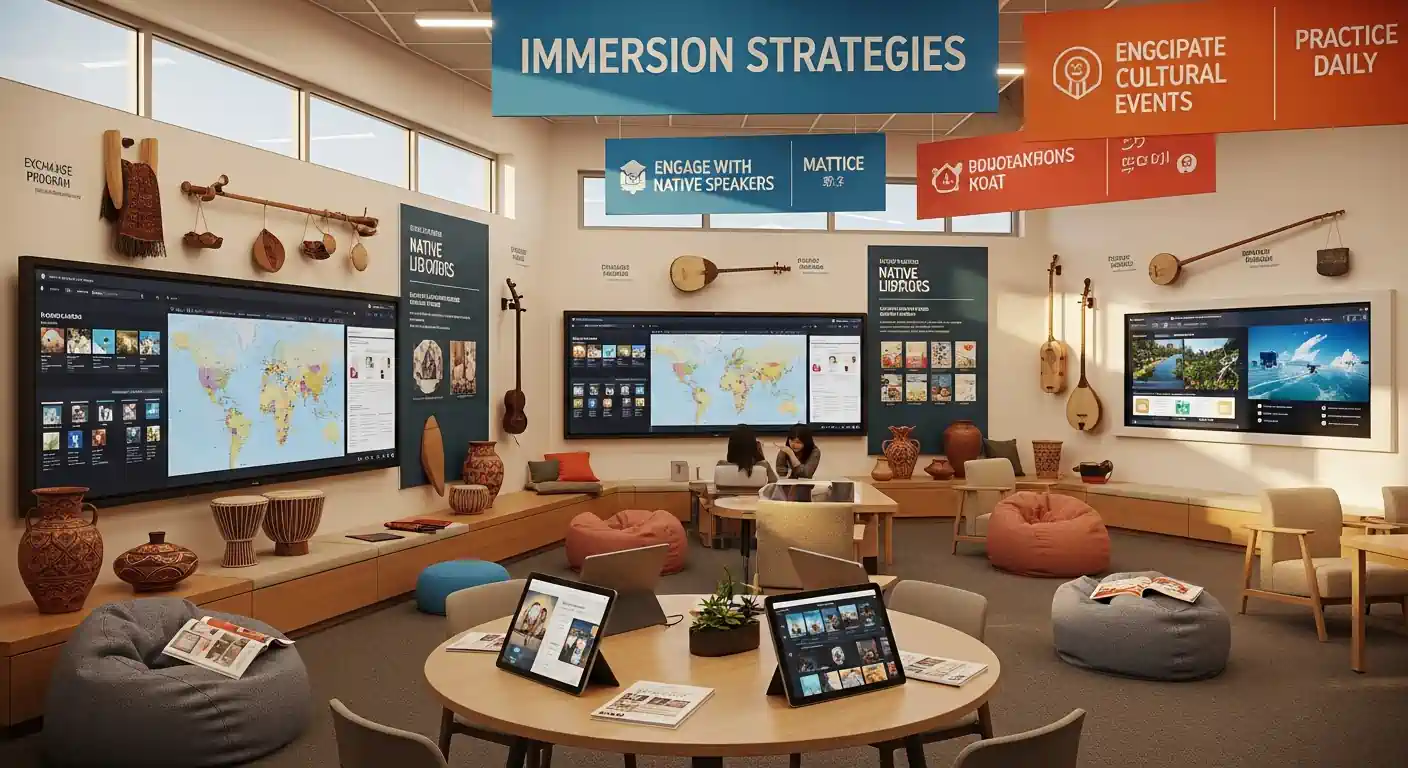
Learning a new language is an exciting journey, but it can also feel daunting. The key to success lies not just in consistent effort, but in employing effective study methods that maximize retention and accelerate fluency. This guide will delve into proven techniques specifically designed for acquiring foreign languages, helping you move beyond basic memorization to genuine understanding and confident communication. We’ll explore strategies that cater to different learning styles, leverage modern tools, and are grounded in linguistic research to ensure your study time is as productive as possible.
Key Points
- Active Recall & Spaced Repetition: Combat forgetting with smart review techniques.
- Immersion Strategies: Create a language-rich environment, even at home.
- Contextual Learning: Understand words and phrases in their natural habitat.
- Utilizing Technology: Harness apps, AI, and online resources for enhanced learning.
- Focus on Pronunciation & Fluency: Develop speaking skills from the start.
Mastering Vocabulary: The Cornerstone of Language Acquisition
At the heart of learning any new language is building a robust vocabulary. Without the right words, even the best grammar rules are useless. However, simply memorizing word lists is an inefficient and often demotivating approach. Effective study methods for vocabulary acquisition focus on understanding, retention, and active use.
Active Recall: Testing Yourself to Remember
One of the most powerful techniques for acquiring foreign languages is active recall. Instead of passively rereading your notes, actively try to retrieve information from your memory. This could involve:
- Flashcards: Traditional flashcards, or their digital counterparts, are excellent for active recall. Write the foreign word on one side and the definition or an example sentence on the other. Don't just flip; force yourself to remember the answer before checking.
- Self-Quizzing: After reading a text or listening to a dialogue, try to recall the new vocabulary you encountered. Write down the words you can remember and then check against a glossary.
- Sentence Completion: Create sentences with blanks where new vocabulary words should go and test yourself on filling them in.
Spaced Repetition Systems (SRS)
Complementing active recall is spaced repetition. This method involves reviewing material at increasing intervals. The idea is to review information just before you're about to forget it, which strengthens the memory trace.
- Digital SRS Apps: Tools like Anki or Memrise are built on SRS principles. They present you with flashcards (or other learning material) at optimal intervals, ensuring you revisit challenging items more frequently than easy ones. This is a highly effective study method for long-term vocabulary retention.
- Manual SRS: You can even implement this manually by scheduling review sessions. For example, review new words on day 1, then day 3, day 7, day 14, and so on.
Data from a study published in the Journal of Educational Psychology (2024) highlights that learners using SRS significantly outperform those using massed practice (cramming) for long-term retention of foreign language vocabulary.
Immersion: Creating a Language-Rich Environment
True immersion is often cited as the fastest way to learn a language, but it's not always feasible to move abroad. Fortunately, you can simulate immersion through various techniques for acquiring foreign languages right where you are.
Daily Exposure: Integrating the Language into Your Life
The goal is to surround yourself with the target language as much as possible. This constant exposure helps your brain become accustomed to the sounds, rhythms, and patterns of the language.
- Change Device Language: Set your phone, computer, and social media interfaces to your target language. This provides constant, low-stakes exposure to everyday vocabulary.
- Listen Actively: Play podcasts, music, or radio in the target language in the background while you do chores or commute. Even passive listening helps familiarize you with the language.
- Watch Media: Watch movies, TV shows, or YouTube videos in the target language. Start with subtitles in your native language, then switch to target language subtitles, and eventually try watching without subtitles altogether.
Speaking Practice: Don't Be Afraid to Make Mistakes
Speaking is crucial, and active practice is an effective study method. Overcoming the fear of making mistakes is a significant hurdle for many learners.
- Language Exchange Partners: Websites and apps like HelloTalk or Tandem connect you with native speakers who are learning your language. You can practice speaking with them for mutual benefit. This is a fantastic way to get real-time feedback.
- Online Tutors: Platforms like iTalki or Preply offer affordable lessons with native-speaking tutors. They can tailor sessions to your needs and provide structured conversation practice.
- Talking to Yourself: Narrate your day in the target language, describe objects around you, or practice dialogues. This might feel silly, but it's an excellent way to activate vocabulary and practice sentence construction without pressure.
Contextual Learning: Understanding Beyond Definitions
Learning words in isolation is less effective than learning them within their natural context. Contextual learning makes vocabulary more memorable and helps you understand nuances in meaning.
Reading and Listening Comprehension
Engaging with authentic materials is a powerful technique for acquiring foreign languages.
- Graded Readers: These books are written specifically for language learners at different proficiency levels. They use controlled vocabulary and grammar, making them accessible and enjoyable.
- Authentic Materials: Once you're comfortable, move on to news articles, blogs, books, and podcasts created for native speakers. Don't worry if you don't understand every word; focus on grasping the main idea.
- Analyze Sentence Structure: When you encounter a new word or phrase, pay attention to how it's used in the sentence. What other words surround it? What is the overall meaning of the sentence?
Example Sentences: The Power of Illustration
When learning new vocabulary, always try to create or find at least one example sentence. This sentence should:
- Illustrate Meaning: Show the word in action, demonstrating its specific usage.
- Provide Context: Give you clues about the situation in which the word is used.
- Aid Memorization: A memorable sentence can help you recall the word more easily.
For instance, instead of just learning "parler" (to speak), learn it with a sentence like "J'aime parler avec mes amis" (I like to speak with my friends).
Leveraging Technology for Language Acquisition
The digital age has revolutionized language learning, offering a plethora of tools that make effective study methods more accessible and engaging.
Language Learning Apps
Beyond SRS apps, a variety of apps cater to different aspects of language learning:
- Duolingo: Gamified learning that covers vocabulary, grammar, and basic sentence structure.
- Babbel: Focuses on conversational skills with practical dialogues and grammar explanations.
- Lingodeer: Excellent for East Asian languages, offering structured grammar lessons and interactive exercises.
AI-Powered Tools
Artificial intelligence is rapidly transforming language learning.
- AI Tutors/Chatbots: Many platforms now offer AI-powered conversational practice. These chatbots can provide instant feedback on grammar and pronunciation, and simulate real-life dialogues. A report from Global Language Learning Trends (2025) indicated a significant rise in the adoption of AI tutors, with users reporting improved fluency and confidence.
- Grammar Checkers and Translators: Tools like Grammarly (for grammar) and DeepL (for translation) can help you refine your writing and understand complex sentences. However, use translators judiciously; they are best for understanding, not for direct copying.
Online Dictionaries and Resources
- Online Dictionaries: Websites like WordReference.com or Linguee provide comprehensive dictionaries with example sentences, synonyms, and verb conjugations.
- YouTube Channels: Countless channels offer free lessons, grammar explanations, cultural insights, and pronunciation guides for virtually every language.
Pronunciation and Fluency: Beyond Vocabulary and Grammar
While vocabulary and grammar are essential, they are only part of the picture. To communicate effectively, you need to focus on pronunciation and fluency.
Mimicry and Shadowing
- Shadowing: This technique involves listening to a native speaker and repeating what they say, trying to match their rhythm, intonation, and pronunciation as closely as possible. Do this with short audio clips or sentences.
- Mimicry: Pay close attention to how native speakers form sounds and emphasize syllables. Try to imitate them directly.
Focus on Intonation and Rhythm
A common pitfall is focusing solely on individual sounds. However, the intonation (the rise and fall of the voice) and rhythm of a language are equally important for sounding natural and being understood. Listen to native speakers and try to replicate the "music" of the language.
Recording Yourself
- Self-Assessment: Record yourself speaking and compare it to native speakers. You might be surprised at the discrepancies and gain valuable insights into areas for improvement. This is a form of active recall for your speaking skills.
Differentiated Value: Beyond the Basics
Many resources focus on memorization or basic grammar. Here are two crucial areas often overlooked that significantly boost language acquisition:
- Metacognitive Awareness in Language Learning: This involves understanding how you learn best. Instead of blindly following generic advice, reflect on your learning process. Do you remember words better when you see them, hear them, or use them in a sentence? Are you a visual, auditory, or kinesthetic learner? Tailoring your effective study methods to your individual learning style, a concept explored in recent educational psychology literature (e.g., Learning Styles Re-examined, 2023), leads to significantly better outcomes than a one-size-fits-all approach. Regularly journaling your study sessions and noting what worked and what didn't can be incredibly insightful.
- Embracing Hesitation and Pauses: While fluency is the goal, there's immense value in understanding that hesitation and pauses are natural parts of communication, especially for non-native speakers. Instead of striving for unbroken, rapid speech which can lead to errors, learners benefit from learning to use strategic pauses to gather their thoughts, choose the right word, or reformulate a sentence. This isn't about being slow, but about being deliberate. Teaching learners to use common filler phrases like "um," "well," or "you know" in the target language (appropriately, of course) can significantly reduce speaking anxiety and improve overall communication flow. This pragmatic approach is a differentiated strategy that prioritizes effective communication over artificial perfection.
Frequently Asked Questions (FAQ)
Q1: What are the most effective study methods for beginners acquiring a new language? A1: For beginners, a combination of active recall with flashcards, spaced repetition using apps like Anki, and daily exposure through listening to simple podcasts or children's shows is highly effective. Focusing on basic vocabulary and common phrases in context is crucial.
Q2: How can I improve my foreign language pronunciation without a native speaker? A2: You can significantly improve pronunciation by using shadowing techniques with online audio or video resources. Recording yourself and comparing it to native speakers, alongside using pronunciation guides and apps that offer phonetic feedback, are also powerful techniques for acquiring foreign languages.
Q3: Is it better to focus on grammar or vocabulary first when learning a language? A3: It's generally more effective to learn vocabulary in context and simultaneously start with foundational grammar. You need words to form sentences, and grammar to structure them meaningfully. An integrated approach, focusing on high-frequency words and basic sentence structures, is typically best.
Q4: How can I stay motivated while learning a foreign language long-term? A4: Staying motivated involves setting realistic goals, celebrating small wins, varying your study methods to keep things interesting, and connecting with a language community. Remember why you started learning and find enjoyable ways to use the language, like watching your favorite shows or reading books you love.
Conclusion and Next Steps
Mastering a foreign language is a marathon, not a sprint. By implementing these effective study methods—focusing on active recall, spaced repetition, contextual learning, simulated immersion, and leveraging technology—you can dramatically enhance your language acquisition journey. Remember to prioritize consistent practice, embrace mistakes as learning opportunities, and tailor your approach to your individual learning style.
What's your next step?
- Start a vocabulary log: Begin noting down new words and phrases you encounter daily.
- Schedule a practice session: Book a session with a language exchange partner or tutor this week.
- Explore a new app: Download an SRS app or a language learning platform and try it out.
We encourage you to share your favorite techniques for acquiring foreign languages in the comments below! Your insights can help fellow learners on their own linguistic adventures. For more on building a robust vocabulary, consider exploring related articles on memory techniques and effective note-taking strategies.