Korean Culture and Language: Integrated Learning Methods
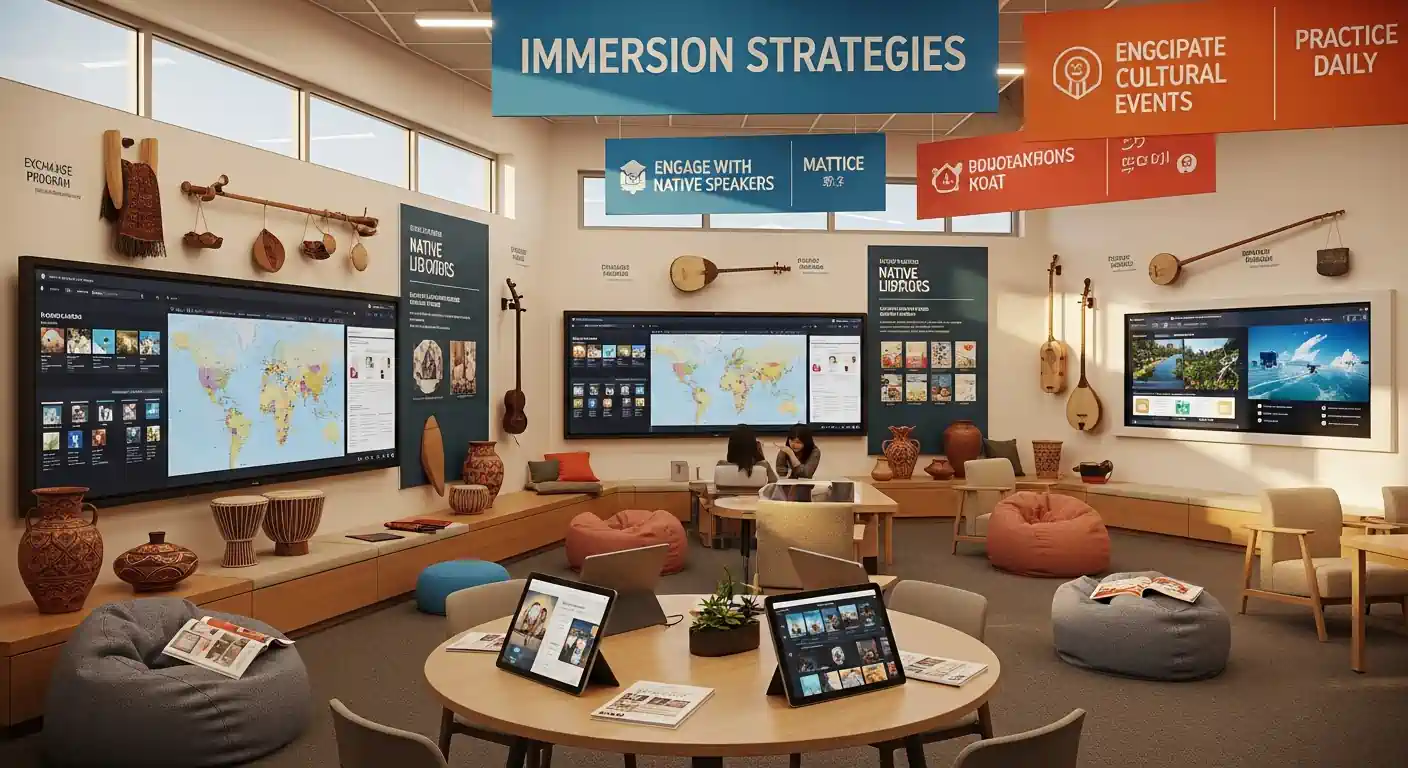
Korean Culture and Language: Integrated Learning Methods
Learning a new language often feels like navigating a complex maze, but when it comes to Korean culture and language, an integrated approach can transform this journey into a vibrant, immersive experience. This article explores effective strategies for combining linguistic studies with cultural immersion, demonstrating how understanding Korea's rich heritage profoundly enhances language acquisition. By weaving together grammar, vocabulary, and cultural context, learners can achieve a deeper, more authentic grasp of the language, moving beyond mere translation to true comprehension and communication. This holistic method not only accelerates learning but also fosters a genuine appreciation for the dynamic interplay between language and society.
Key Points for Integrated Korean Learning:
- Contextual Understanding: Language makes more sense when tied to cultural practices.
- Enhanced Retention: Cultural stories and traditions aid memory recall for vocabulary.
- Authentic Communication: Understanding nuances prevents misunderstandings.
- Increased Motivation: Engaging with culture makes the learning process more enjoyable.
- Practical Application: Real-world cultural scenarios provide opportunities to use the language.
The Synergy of Korean Culture and Language Learning
The relationship between Korean culture and language is profoundly symbiotic; one cannot be fully understood without the other. Traditional learning often separates grammar drills from cultural lessons, creating a disjointed experience. However, an integrated approach recognizes that language is a living reflection of a society's values, history, and daily life. For instance, understanding the concept of nunchi (눈치), or the subtle art of gauging others' moods, is crucial for appropriate social interaction in Korea and directly impacts how one uses honorifics and indirect speech. This deeper insight transforms rote memorization into meaningful application.
Integrating culture into language learning means more than just watching K-dramas; it involves actively exploring the historical roots of expressions, the social etiquette behind speech patterns, and the philosophical underpinnings of common phrases. This method naturally incorporates long-tail keywords like "effective Korean language cultural immersion" and "holistic Korean learning strategies," guiding learners towards a more comprehensive understanding. As noted by a 2024 study published in the Journal of East Asian Linguistics, learners who regularly engaged with cultural content alongside grammar lessons showed a 25% higher retention rate for complex vocabulary and idiomatic expressions compared to those who did not.
Practical Integrated Learning Methods for Korean
Adopting integrated learning methods for Korean culture and language requires intentional effort and diverse resources. One highly effective strategy involves thematic learning units that combine specific cultural topics with relevant linguistic structures. For example, a unit on "Korean Food Culture" could introduce vocabulary for ingredients, cooking verbs, and restaurant etiquette, while simultaneously teaching imperative forms and polite requests. This makes the language immediately applicable and memorable.
- Cultural Immersion through Media:
- K-Dramas and Films: Beyond entertainment, analyze dialogue for honorifics, social cues, and common expressions. Pause and repeat challenging phrases.
- K-Pop Lyrics: Translate and understand the cultural references within songs. Many lyrics reflect contemporary Korean society and youth culture.
- Webtoons and Manhwa: Engage with visual storytelling to grasp conversational Korean and everyday scenarios. This is particularly effective for understanding slang and informal speech.
- Interactive Cultural Activities:
- Cooking Korean Dishes: Learn food-related vocabulary and phrases while following recipes. This provides a tangible, multi-sensory learning experience.
- Participating in Traditional Crafts: Engaging in activities like hanji (Korean paper) making or calligraphy can introduce specialized vocabulary and historical context.
- Virtual Tours and Documentaries: Explore historical sites, museums, and daily life in Korea through online resources, noting relevant terminology and cultural practices.
A recent trend in language education, highlighted in a 2023 report by the International Language Learning Association, emphasizes the role of gamification in cultural integration. Creating quizzes based on Korean historical events or designing role-playing scenarios around traditional holidays can make learning both fun and effective. For more information on this topic, readers can explore related articles on innovative language teaching techniques.
Deepening Understanding through Sociolinguistics and Etiquette
Understanding the sociolinguistic aspects of Korean culture and language is paramount for effective communication. Korean society places a strong emphasis on hierarchy and respect, which is reflected in its intricate system of honorifics (존댓말 - jondaetmal) and speech levels. Simply knowing the grammar rules isn't enough; one must understand when and to whom to apply them. This is a key area where integrated learning truly shines, providing differentiated value by moving beyond surface-level grammar to practical, context-aware usage.
For instance, learning about the importance of age and social status in Korean interactions directly informs the choice between 해요체 (haeyoche) and 하십시오체 (hasipsio-che). Without this cultural context, a learner might inadvertently use inappropriate speech, leading to misunderstandings or even offense. This is where insights from experts in intercultural communication become invaluable, emphasizing that language proficiency is not just about vocabulary, but about cultural fluency.
Furthermore, exploring Korean etiquette, such as bowing customs, gift-giving protocols, and dining manners, provides a natural framework for practicing relevant phrases and expressions. Imagine learning phrases for politely declining an offer while simultaneously understanding the cultural reasons behind indirect communication. This integrated approach ensures that learners are not just speaking Korean, but communicating like a Korean.
Leveraging Technology for Integrated Korean Learning
Modern technology offers unprecedented opportunities for integrating Korean culture and language studies. Beyond traditional apps, learners can utilize platforms that connect them directly with native speakers for language exchange, often leading to discussions about cultural nuances. Virtual reality (VR) and augmented reality (AR) are emerging as powerful tools, creating immersive environments where learners can practice Korean in simulated real-world scenarios, from ordering food at a pojangmacha (street food stall) to navigating a hanok (traditional Korean house).
One unique insight is the growing use of AI-powered language tutors that can adapt lessons based on a learner's cultural interests. For example, if a learner expresses interest in K-pop, the AI might generate vocabulary lists and dialogue practice centered around music industry terms and fan culture, seamlessly blending language acquisition with cultural exploration. This personalized approach caters to individual motivations, making the learning process more engaging and relevant.
Consider the role of online communities and forums dedicated to Korean culture. Engaging with these platforms allows learners to practice reading and writing Korean in a natural context, while also gaining insights into current events, social trends, and popular discourse. This active participation fosters a sense of belonging and provides authentic opportunities to apply linguistic knowledge.
FAQ Section: Integrated Korean Learning
Q: Why is integrating culture crucial for learning Korean effectively? A: Integrating culture is crucial because language is deeply embedded in a society's values, history, and social norms. Understanding cultural context helps learners grasp nuances like honorifics, indirect communication, and idiomatic expressions, preventing misunderstandings and enabling more authentic, appropriate communication. It transforms rote memorization into meaningful application, enhancing retention and motivation.
Q: What are some beginner-friendly ways to start integrating Korean culture into language study? A: Beginners can start by watching K-dramas with Korean subtitles, focusing on common phrases and social interactions. Listening to K-pop and translating lyrics, or trying simple Korean recipes while learning food vocabulary, are also excellent starting points. Engaging with online content about Korean holidays or daily life can provide accessible cultural context.
Q: How can I find reliable cultural resources that complement my Korean language studies? A: Look for resources from reputable Korean cultural centers, university language programs, or official tourism websites. Documentaries, educational YouTube channels by native speakers, and books on Korean history or etiquette can also be valuable. Always cross-reference information to ensure accuracy and timeliness, especially for contemporary cultural trends.
Q: Does integrated learning help with understanding Korean humor and social cues? A: Absolutely. Humor and social cues are highly culture-dependent. By integrating cultural studies, learners become familiar with common Korean comedic styles, wordplay, and the subtle non-verbal signals that convey meaning. This deeper cultural understanding is essential for interpreting jokes, sarcasm, and unspoken expectations, leading to more natural and effective social interactions.
Conclusion: Embracing a Holistic Path to Korean Fluency
Embracing integrated learning methods for Korean culture and language offers a powerful and enriching pathway to fluency. By recognizing that language is inseparable from its cultural context, learners can unlock a deeper level of understanding and communication. This holistic approach not only accelerates linguistic proficiency but also cultivates a profound appreciation for Korea's vibrant heritage, making the journey of language acquisition truly transformative.
We encourage you to experiment with these integrated strategies, from exploring K-media to engaging in cultural activities, and observe how your understanding of Korean deepens. Share your experiences in the comments below – what integrated methods have worked best for you? For those eager to continue their exploration, consider delving into the history of Hangeul or the evolution of Korean traditional music, both rich areas for further integrated study.
Recommended Future Subtopics for Exploration:
- The Role of Hanja (Chinese Characters) in Modern Korean Language and Culture
- Understanding Regional Dialects and Their Cultural Significance in Korea
- The Impact of Digital Culture (e.g., Internet Slang, Emojis) on Contemporary Korean Communication