Korean Listening Comprehension: Developing Your Ear for the Language
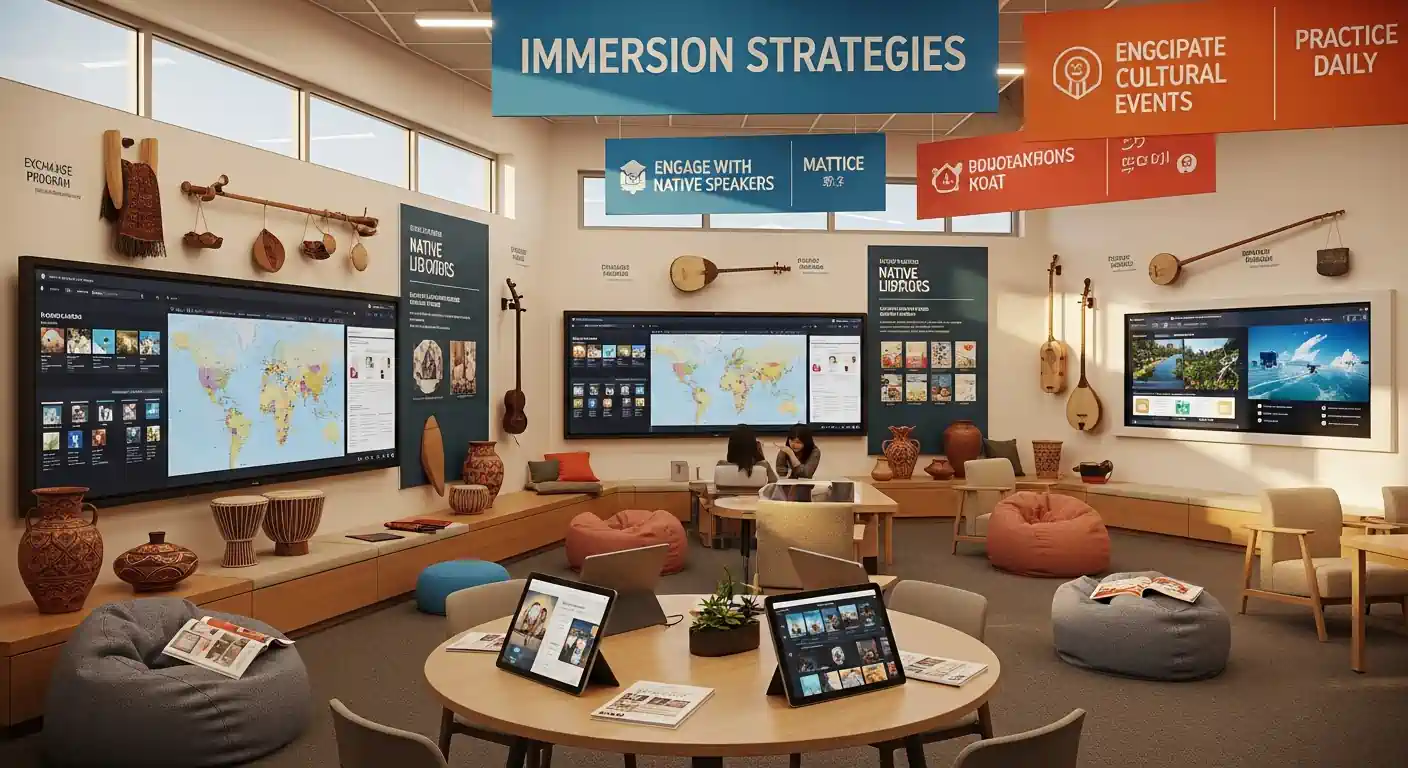
Korean Listening Comprehension: Developing Your Ear for the Language
Embarking on the journey of learning Korean is an exciting endeavor, but many learners quickly discover that Korean listening comprehension presents a unique set of challenges. It's not just about understanding individual words; it's about grasping rapid speech, subtle intonations, and the nuances of natural conversation. Developing your ear for the language is paramount to achieving true fluency and confidence. This guide offers comprehensive strategies to sharpen your auditory skills, transforming passive listening into active comprehension.
This article will delve into effective techniques, from foundational practices to advanced immersion methods, ensuring you can confidently navigate spoken Korean. We'll explore how to break down the complexities of the language and build a robust understanding. Prepare to unlock a new level of proficiency in your Korean language journey.
Key Points for Mastering Korean Listening Comprehension
- Active Engagement: Move beyond passive listening to actively process sounds and meaning.
- Foundational Skills: Strengthen vocabulary, grammar, and pronunciation for better recognition.
- Immersive Practice: Utilize diverse Korean media and real-life interactions consistently.
- Targeted Strategies: Address specific challenges like speed, intonation, and similar sounds.
- Patience & Persistence: Recognize that developing your ear is a gradual, rewarding process.
Understanding the Landscape of Korean Listening Comprehension
The Korean language, with its distinct phonology and sentence structure, often poses initial hurdles for learners. Unlike some languages, Korean features a unique sound system, including aspirated and tense consonants, which can be difficult to differentiate without dedicated practice. Furthermore, the speed at which native speakers converse can feel overwhelming, leading to a sense of being lost in a torrent of sound. Developing your ear for the language means training your brain to recognize these specific sounds and patterns quickly.
A common pitfall is focusing solely on vocabulary acquisition without simultaneously honing listening skills. While knowing words is crucial, understanding them in context, especially when spoken rapidly, requires a different skill set. This article aims to bridge that gap, providing actionable steps to enhance your Korean listening comprehension effectively. We'll explore how consistent, targeted practice can demystify rapid speech and complex sentences.
Foundational Strategies for Improving Korean Listening Skills
Building a strong foundation is critical for any language skill, and listening is no exception. Before diving into advanced immersion, ensure you have these core practices in place. These strategies are designed to systematically improve your ability to process spoken Korean.
1. Master Korean Phonetics and Pronunciation
Understanding how Korean sounds are produced is the first step to recognizing them. Spend time on Korean phonetics, focusing on the differences between similar-sounding consonants (e.g., ㄱ, ㄲ, ㅋ or ㄷ, ㄸ, ㅌ). Practice mimicking native speakers, even if it feels awkward initially. This active engagement with pronunciation helps your brain map sounds to their written forms and meanings.
- Minimal Pair Drills: Listen to and differentiate words that vary by only one sound (e.g., 불 (bul) vs. 풀 (pul)).
- Shadowing: Listen to short audio clips and try to repeat exactly what you hear, matching speed, intonation, and rhythm. This is a powerful technique for developing your ear for Korean.
2. Strengthen Vocabulary and Grammar Recognition
You can't understand what you hear if you don't know the words or how they fit together. A robust vocabulary is essential, but equally important is recognizing grammatical structures in spoken form. Many grammatical particles in Korean can be subtle and blend into surrounding words.
- Contextual Vocabulary Learning: Learn words within sentences or phrases, not in isolation. This helps you anticipate how they might sound in natural speech.
- Grammar in Action: Listen to examples of new grammar points being used in conversations. Pay attention to how particles and verb endings sound when spoken quickly. For deeper insights into Korean grammar structures, consider exploring our articles on intermediate Korean syntax.
3. Practice Active Listening Techniques
Passive listening, like having a Korean drama on in the background, has its place but isn't enough for significant improvement. Active listening involves focused attention and processing.
- Listen for Gist: Initially, try to understand the main idea of a conversation or audio clip without getting bogged down by every single word.
- Listen for Details: Re-listen to the same clip, focusing on specific details, keywords, or grammatical structures. This iterative process significantly boosts Korean listening comprehension.
Immersion Techniques to Develop Your Ear for Korean
Once your foundational skills are solid, consistent immersion will accelerate your progress. Surrounding yourself with the language, even outside a Korean-speaking country, is vital for developing your ear for the language.
1. Engage with Diverse Korean Media
Korean dramas, movies, music, and podcasts are invaluable resources. They expose you to natural speech patterns, various accents, and cultural contexts.
- Dramas/Movies: Start with subtitles in your native language, then switch to Korean subtitles, and eventually try watching without any. A 2023 study by the Language Learning Institute highlighted that progressive subtitle removal significantly enhances auditory processing skills.
- Music: Listen to Korean songs, read the lyrics, and try to sing along. This helps with rhythm and pronunciation.
- Podcasts/Audiobooks: Choose topics you enjoy. Start with beginner-friendly podcasts and gradually move to more complex content. This is excellent for sustained Korean listening practice.
2. Interact with Native Korean Speakers
There's no substitute for real-time conversation. Interacting with native speakers forces you to process information quickly and respond appropriately.
- Language Exchange Partners: Find online or in-person partners. Don't be afraid to make mistakes; they are part of the learning process.
- Online Communities: Join Korean language learning forums or social media groups where you can engage in discussions.
- Tutoring: Consider a tutor for personalized feedback on your listening and speaking.
3. Implement the "Shadowing" Technique Regularly
Shadowing, as mentioned earlier, is a highly effective technique for developing your ear for Korean. It involves listening to a short audio segment and immediately repeating it aloud, trying to match the speaker's pace, intonation, and pronunciation as closely as possible. This trains your mouth and ear simultaneously.
- Start Small: Begin with short sentences or phrases.
- Focus on Flow: Don't worry about understanding every word at first; concentrate on mimicking the sound and rhythm.
- Increase Difficulty: Gradually move to longer passages or faster speech.
Leveraging Technology and Resources for Effective Listening Practice
The digital age offers an abundance of tools to aid your Korean listening comprehension. From specialized apps to AI-powered platforms, these resources can provide structured practice and immediate feedback.
1. Utilize Language Learning Apps and Online Courses
Many apps are specifically designed to improve listening skills through interactive exercises. Look for those that offer dictation, listening comprehension quizzes, and speech analysis.
- Dictation Exercises: Apps that allow you to type what you hear are excellent for pinpointing specific words or sounds you might be missing.
- Spaced Repetition Systems (SRS): Use SRS for vocabulary, but also for reviewing difficult audio clips or phrases.
2. Explore AI Tools for Pronunciation and Feedback
Recent advancements in AI offer personalized feedback that was once only available from a human tutor. These tools can analyze your pronunciation and highlight areas for improvement, which in turn helps your listening. Readers interested in mastering Korean pronunciation can find valuable resources in our dedicated section on phonetics.
- Speech Recognition: Practice speaking Korean into an AI tool that can transcribe your speech and compare it to native pronunciation. This helps you hear your own errors.
- Interactive Dialogues: Some platforms offer AI-driven conversations, allowing you to practice listening and responding in a simulated environment.
Overcoming Common Hurdles in Korean Listening Comprehension
Even with consistent practice, learners often encounter specific challenges. Recognizing these common hurdles and having strategies to overcome them is key to sustained progress in developing your ear for the language.
1. Dealing with Rapid Speech
Korean speakers often speak quickly, and words can blend together, making it hard to distinguish individual units. This phenomenon, known as sandhi, is common in many languages.
- Segmenting Practice: Use audio editing tools or apps that allow you to slow down speech or loop short segments. Listen repeatedly at a slower pace, then gradually increase the speed.
- Focus on Connectors: Pay attention to common connecting phrases and particles that often get reduced or merged in fast speech.
2. Distinguishing Similar Sounds and Intonation
As mentioned, Korean has several similar-sounding consonants and vowels. Additionally, intonation plays a crucial role in conveying