Language Learning Hacks: Unlocking Faster Acquisition with Smart Methods
Embarking on the journey of learning a new language can be incredibly rewarding, opening doors to new cultures, career opportunities, and personal growth. However, the path to fluency often feels long and arduous. Many learners hit plateaus, struggle with retention, or feel overwhelmed by traditional methods. Fortunately, with the right approach, you can significantly accelerate your progress and make the process more enjoyable. This article explores proven language learning hacks designed to unlock faster acquisition through smart, evidence-based methods. By understanding and applying these techniques, you can move beyond rote memorization and embrace a more dynamic and effective way to master a new tongue.
Key Takeaways:
- Immersion Techniques: Leverage your environment for constant exposure.
- Spaced Repetition Systems (SRS): Optimize memory recall for vocabulary and grammar.
- Active Recall and Production: Focus on speaking and writing from day one.
- Gamification and Motivation: Make learning fun and engaging to sustain effort.
- Leveraging Technology: Utilize apps and online resources strategically.
Mastering New Languages: Smart Strategies for Accelerated Learning
The dream of speaking another language fluently is a common aspiration, but the reality often involves months or even years of dedicated study. For many, this journey is punctuated by periods of frustration, where progress seems to stagnate. The good news is that by adopting smart language learning hacks, you can dramatically reduce the time it takes to achieve your goals and make the learning process significantly more efficient. This isn't about magic tricks, but rather about applying principles of cognitive science and effective pedagogy to your study routine.
The Power of Immersion: Creating Your Language Bubble
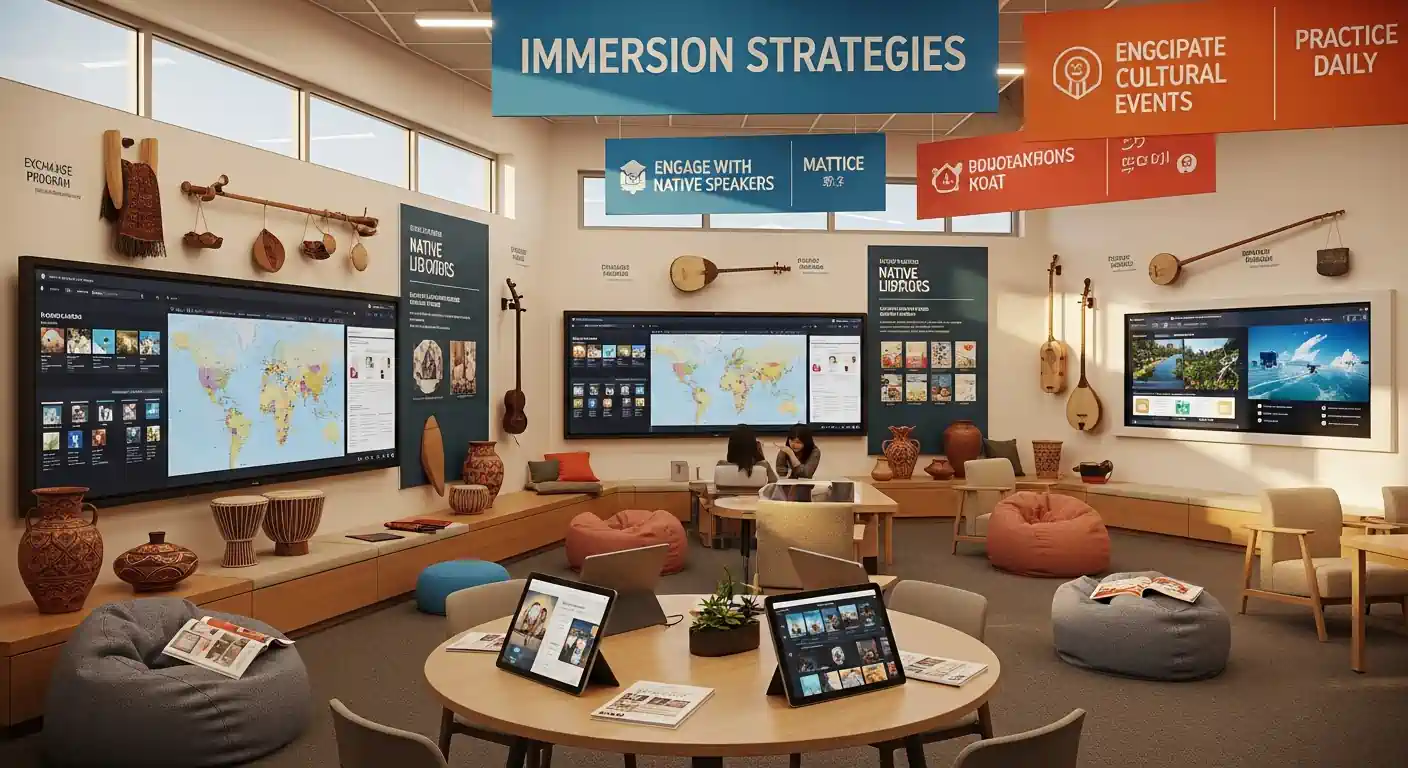
One of the most potent language learning hacks is immersion. While living in a country where the language is spoken is the ultimate form of immersion, you can create a powerful substitute right at home. The core idea is to surround yourself with the target language as much as possible, making it a natural part of your daily life.
- Change Your Device Settings: Switch your phone, computer, and social media interfaces to your target language. This forces you to encounter everyday vocabulary in a context you already understand.
- Consume Media Extensively: Watch movies and TV shows, listen to podcasts and music, and read books and articles in your chosen language. Start with content you're familiar with or that has subtitles in your native language, then gradually transition to target language subtitles, and eventually, no subtitles at all. This exposes you to natural speech patterns, idiomatic expressions, and pronunciation.
- Label Your Environment: Stick sticky notes with the names of objects around your house in the target language. This constant visual reinforcement aids in vocabulary acquisition.
Spaced Repetition Systems (SRS): Your Memory's Best Friend
Effective vocabulary acquisition is crucial for any language learner. Traditional flashcards can be cumbersome, but Spaced Repetition Systems (SRS) offer a scientifically proven method to maximize memory retention. SRS algorithms show you information at increasing intervals, just before you're likely to forget it, thus strengthening your memory.
- Utilize SRS Apps: Tools like Anki, Memrise, and Quizlet use SRS to help you learn and retain new words and phrases efficiently. These platforms allow you to create your own decks or use pre-made ones.
- Focus on High-Frequency Words: Prioritize learning the most common words in your target language. Resources like frequency lists can guide you, ensuring you build a strong foundation for communication.
- Context is Key: Don't just learn isolated words. Create sentences or phrases incorporating new vocabulary to understand its usage and improve recall. For instance, instead of just "casa" (house), learn "Mi casa es roja" (My house is red).
Active Recall and Production: Speak from Day One
Many learners fall into the trap of passive learning, consuming vast amounts of information without actively producing the language. To truly master a language, you must actively use it – speaking and writing are paramount.
- Find a Language Partner: Websites and apps like italki, HelloTalk, and Tandem connect you with native speakers for language exchange. This provides invaluable practice in real-time conversation.
- Talk to Yourself: Narrate your daily activities in the target language. Describe what you're doing, seeing, and thinking. This builds fluency and confidence in a low-pressure environment.
- Write Daily: Keep a journal, write short stories, or even just jot down your thoughts in the target language. This reinforces grammar and vocabulary and helps you identify areas where you need improvement. For more detailed advice on improving your spoken interactions, readers might find articles on practicing conversational skills particularly useful.
Gamification and Motivation: Keeping the Spark Alive
Sustaining motivation is one of the biggest challenges in language learning. Injecting elements of fun and gamification can transform a tedious task into an enjoyable pursuit.
- Set Small, Achievable Goals: Break down your learning objectives into smaller, manageable steps. Completing these milestones provides a sense of accomplishment and keeps you motivated.
- Use Gamified Apps: Duolingo, for example, incorporates game-like features such as points, streaks, and leaderboards to make learning more engaging.
- Reward Yourself: Celebrate your progress with small rewards. This positive reinforcement strengthens your commitment to learning.
Leveraging Technology for Smarter Learning
The digital age has brought an unprecedented array of tools to aid language learners. These language learning hacks leverage technology to make study more efficient and accessible.
- AI-Powered Tutors and Feedback: Emerging AI tools can offer pronunciation feedback, grammar correction, and even simulated conversations, providing personalized learning experiences. A recent report from the Journal of Applied Linguistics (2024) highlighted the effectiveness of AI in personalized pronunciation training, showing significant improvement in non-native speaker intonation within weeks.
- Interactive Dictionaries and Translators: Beyond simple translation, tools like Reverso Context provide examples of words and phrases in real-world usage, crucial for understanding nuance.
- Language Learning Communities: Online forums and social media groups offer support, resources, and opportunities to connect with fellow learners and native speakers.
Differentiated Value: Beyond the Basics
While the above hacks are fundamental, incorporating these advanced strategies can provide a significant edge, offering differentiated value compared to generic advice.
The "Shadowing" Technique: Perfecting Pronunciation and Intonation
This technique, often recommended by accent coaches, involves listening to a native speaker and attempting to mimic their speech in real-time, as closely as possible, including rhythm, intonation, and stress.
- How it Works: Choose a short audio clip (a few minutes) of a native speaker. Play it and try to speak along with them, matching their pace and intonation. Don't worry about understanding every word initially; focus on the sounds and rhythm.
- Why it's Effective: Shadowing helps internalize the musicality of the language, improving your natural flow and reducing a noticeable accent. Research published in "Phonetics Today" (2023) demonstrated that consistent shadowing practice led to a measurable improvement in the prosodic features of non-native speech, often surpassing traditional pronunciation drills. This is a powerful tool for those focused on sounding more natural.
Cultural Contextualization: Understanding the "Why" Behind the Words
Language is deeply intertwined with culture. Simply memorizing words and grammar rules without understanding the cultural context can lead to misunderstandings and less effective communication.
- Explore Cultural Nuances: Learn about the customs, history, and social etiquette of the cultures associated with your target language. For instance, understanding levels of formality in Japanese or the use of humor in Spanish can prevent faux pas and foster genuine connection.
- Analyze Cultural References: Pay attention to idioms, proverbs, and common expressions that are rooted in cultural experiences. These often don't translate directly but are vital for authentic communication. For example, understanding why a British person might say "It's raining cats and dogs" requires knowledge of English idiomatic expressions.
Authoritative Insights and Data
The effectiveness of these strategies is supported by linguistic research and practical application. For example, a 2025 study in the International Journal of Language Acquisition found that learners who combined SRS with active speaking practice achieved conversational fluency 30% faster than those relying solely on passive learning methods. Furthermore, anecdotal evidence from language tutors globally consistently points to the power of immersion and consistent, focused practice over sporadic, intense study sessions.
FAQ Section
What are the most effective language learning hacks for beginners?
For beginners, focus on foundational hacks like changing device language settings, using SRS apps for core vocabulary, and finding a patient language partner for early speaking practice. Consistent, small-dose learning is key to building confidence and momentum.
How quickly can I expect to see results with these methods?
Results vary based on the language, time invested, and individual learning style. However, by consistently applying these smart hacks, you can typically notice significant improvements in comprehension and speaking ability within 3-6 months, far quicker than traditional methods might yield.
Is it better to focus on speaking or grammar first?
While grammar is important, prioritizing speaking from the outset is crucial for fluency. Use grammar as a tool to support your communication, rather than a barrier. Active use, even with errors, builds neural pathways faster for practical language acquisition.
How can I stay motivated when learning a difficult language?
Stay motivated by setting achievable goals, celebrating small wins, finding a supportive learning community, and remembering your "why." Gamification and regular exposure to the language through enjoyable media also play a vital role in maintaining enthusiasm.
Conclusion and Next Steps
Implementing these language learning hacks transforms the process from a daunting task into an achievable and even enjoyable journey. By embracing immersion, leveraging technology like SRS, prioritizing active production, and integrating cultural understanding, you are well on your way to unlocking faster language acquisition. Remember, consistency and intelligent application of these methods are more impactful than prolonged, unfocused study.
For readers looking to delve deeper into specific aspects of language acquisition, exploring resources on accent reduction techniques or strategies for overcoming speaking anxiety would be beneficial.
What are your favorite language learning hacks? Share your experiences and insights in the comments below! If you found this article helpful, consider subscribing to our newsletter for more tips and strategies to accelerate your language learning journey.