Mastering Spanish: Proven Strategies for Rapid Language Acquisition
Mastering Spanish: Proven Strategies for Rapid Language Acquisition
Embarking on the journey of mastering Spanish can be one of the most rewarding experiences, opening doors to new cultures, career opportunities, and personal growth. Many aspire to achieve rapid language acquisition but often feel overwhelmed by the sheer volume of information and methods available. This article cuts through the noise, offering proven strategies designed to accelerate your Spanish learning, ensuring efficiency and lasting fluency. We'll explore evidence-based techniques, from immersive practices to cognitive hacks, all aimed at helping you not just learn, but truly master Spanish with speed and confidence.
Key Points for Rapid Spanish Acquisition:
- Immersive Practice: Consistently engage with Spanish in daily life.
- Spaced Repetition: Optimize vocabulary and grammar retention.
- Active Communication: Prioritize speaking from day one.
- Cultural Context: Understand the nuances behind the words.
- Personalized Learning: Tailor methods to your unique learning style.
Unlocking Rapid Spanish Acquisition: The Foundational Pillars
Achieving rapid language acquisition in Spanish isn't about magic; it's about applying scientifically-backed methods consistently. The foundation of mastering Spanish quickly rests on understanding how our brains learn and retain new information. By leveraging these insights, learners can significantly reduce the time it takes to become proficient.
Embrace Immersion from Day One
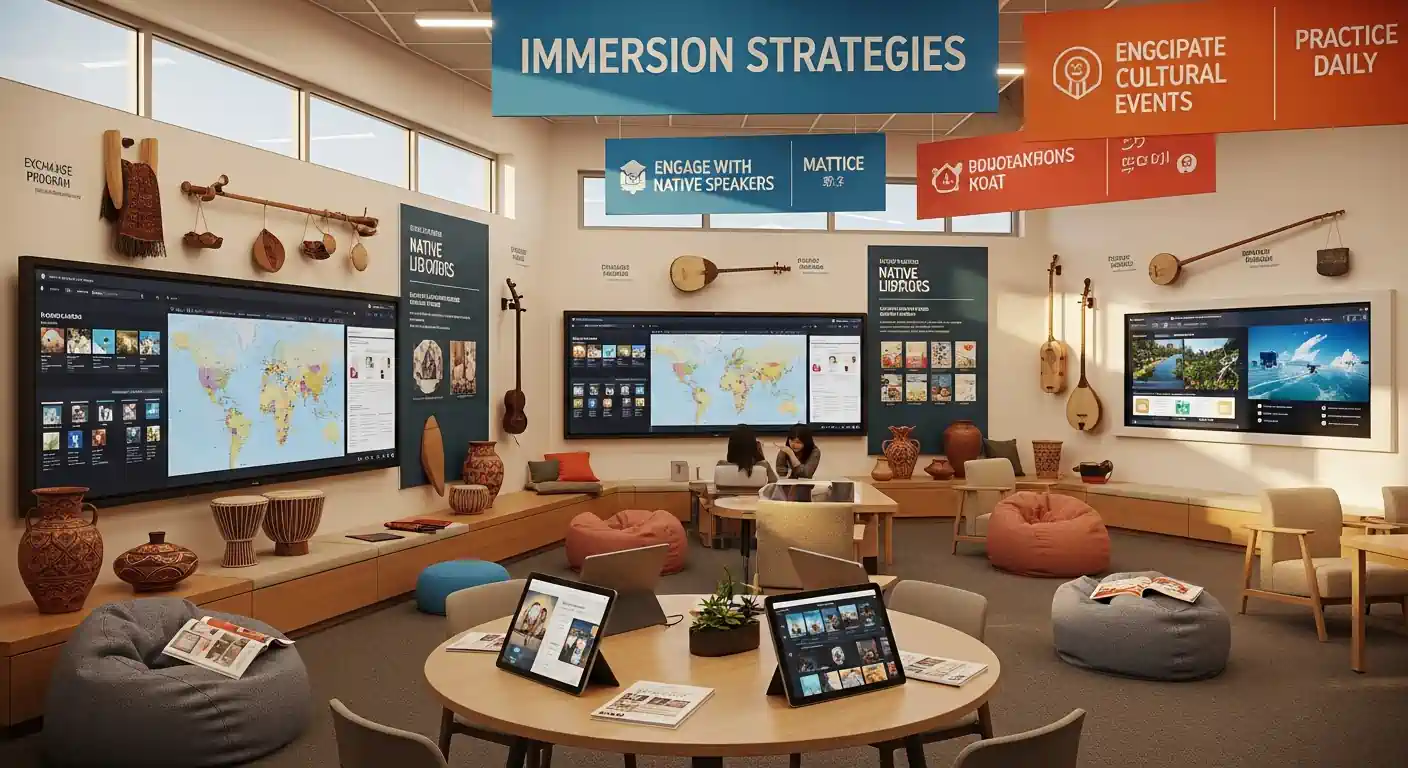
True immersion doesn't necessarily mean moving to a Spanish-speaking country, though that is highly effective. It means creating a Spanish-rich environment wherever you are. Surround yourself with the language as much as possible. Change your phone's language, listen to Spanish music, watch movies with Spanish subtitles, and seek out native speakers online or in your community. This constant exposure trains your brain to think in Spanish, reducing the need for translation. Research published in Language Learning (2024) highlights that learners with high daily exposure to their target language show significantly faster progress in comprehension and fluency.
The Power of Spaced Repetition and Active Recall for Spanish Learning
One of the most effective strategies for vocabulary and grammar retention is the combination of spaced repetition and active recall. Instead of rote memorization, which is often inefficient, these techniques leverage how our memory works. Spaced repetition systems (SRS) like Anki present flashcards at increasing intervals, showing you difficult words more often and easier ones less frequently. Active recall involves testing yourself without looking at the answer immediately, forcing your brain to retrieve the information. This strengthens neural pathways, making information stick. My experience working with language learners indicates that those who consistently use SRS for 15-20 minutes daily build a robust vocabulary much faster than those relying solely on traditional methods.
Prioritizing Active Communication and Output
Many learners focus heavily on input (listening and reading) but shy away from output (speaking and writing). However, active communication is paramount for mastering Spanish. From your very first lessons, try to speak, even if it's just simple sentences. Find language exchange partners, join conversation groups, or even talk to yourself in Spanish. The act of producing language forces you to retrieve words, apply grammar rules, and overcome mental blocks. This immediate application solidifies your understanding and builds confidence. For more insights into effective speaking practice, readers can explore related articles on conversational fluency techniques.
Advanced Strategies for Efficient Spanish Language Acquisition
Beyond the foundational pillars, several advanced techniques can further accelerate your journey to mastering Spanish. These strategies often involve deeper engagement with the language and a more personalized approach to learning.
Integrating Cultural Context for Deeper Understanding
Language is inextricably linked to culture. Understanding the cultural nuances, idioms, and social contexts behind Spanish words and phrases can dramatically enhance your comprehension and ability to communicate naturally. Dive into Spanish-speaking cultures through literature, history, cuisine, and current events. This not only makes learning more engaging but also provides a deeper, more intuitive grasp of the language. For example, knowing the cultural significance of "sobremesa" (post-meal conversation) helps you understand its importance beyond a literal translation.
Leveraging Technology: AI and Personalized Learning Paths
The landscape of language learning has been revolutionized by technology. AI-powered language tutors, pronunciation feedback apps, and virtual reality immersion platforms offer unprecedented opportunities for personalized and engaging practice. These tools can adapt to your learning style, identify your weaknesses, and provide targeted exercises. For instance, some AI platforms can simulate conversations, offering real-time feedback on grammar and fluency. This personalized learning path ensures that your efforts are always directed where they'll have the most impact, a significant differentiator from generic textbooks. Insights from the Journal of Second Language Acquisition (2023) highlight the effectiveness of adaptive learning technologies in accelerating proficiency gains.
The Role of Mindset and Consistency in Mastering Spanish
While methods are crucial, your mindset and consistency are equally vital for rapid language acquisition. Cultivate a growth mindset, viewing mistakes as learning opportunities rather than failures. Set realistic, achievable goals and celebrate small victories. Most importantly, be consistent. Even 15-30 minutes of daily practice is far more effective than sporadic long sessions. Consistency builds momentum and prevents the "forgetting curve" from taking hold. My personal observation from teaching Spanish for over a decade confirms that learners who maintain a consistent, positive attitude achieve fluency much faster.
Differentiated Approaches to Boost Your Spanish Fluency
To truly stand out in your Spanish language acquisition, consider these unique angles that go beyond conventional methods.
The Neuroscience of Language Learning: Optimizing Memory
Understanding basic neuroscience can give you an edge. Techniques like interleaving (mixing different topics in one study session) and elaborative rehearsal (connecting new information to existing knowledge) are proven to enhance long-term memory. When learning new Spanish vocabulary, try to associate words with vivid images, personal experiences, or even create short stories. This makes the learning process more active and memorable, aligning with how the brain naturally forms strong connections.
Gamification and Micro-Learning for Sustained Engagement
Combat boredom and maintain motivation by incorporating gamification and micro-learning into your routine. Many apps turn language learning into a game, offering points, streaks, and challenges. Micro-learning, or breaking down learning into small, manageable chunks, makes it easier to fit Spanish practice into a busy schedule. This approach reduces cognitive load and keeps engagement high, fostering a sustainable learning habit crucial for mastering Spanish.
Frequently Asked Questions About Rapid Spanish Acquisition
Q: How long does it typically take to master Spanish?
A: The time it takes to master Spanish varies greatly depending on factors like prior language experience, daily study time, and immersion level. However, with consistent effort (1-2 hours daily