Practical Approaches to Language Acquisition: Achieve Fluency Faster
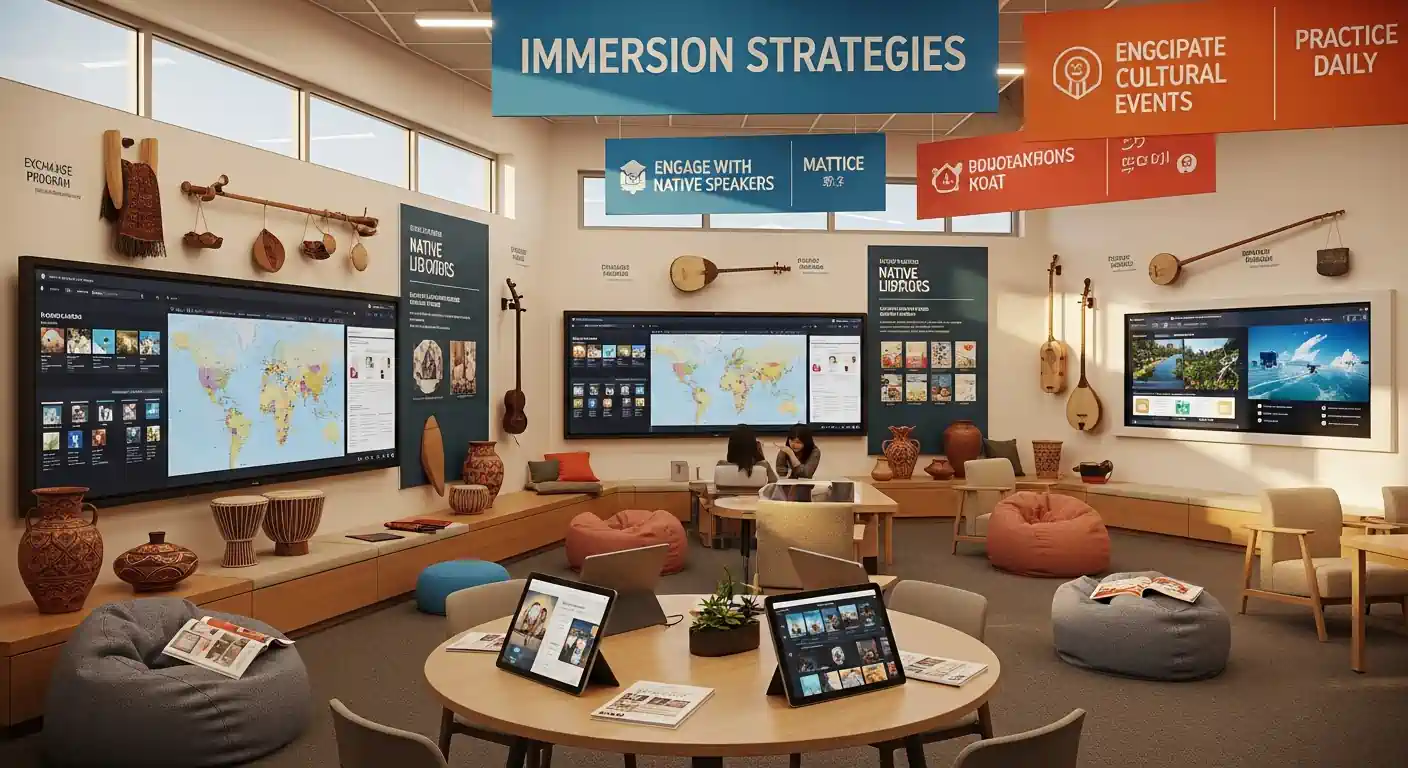
Embarking on the journey of learning a new language can be both exhilarating and challenging. The desire to communicate effectively, to understand native speakers, and to immerse oneself in a new culture often fuels this endeavor. However, the path to fluency is rarely a straight line. This guide delves into practical approaches to language acquisition designed to help you achieve fluency faster, moving beyond rote memorization to embrace methods that foster genuine understanding and confident expression. We will explore proven strategies, from leveraging authentic materials to mastering the art of active listening, all while focusing on efficient and enjoyable learning.
Key Points:
- Immerse yourself in authentic language materials.
- Prioritize active listening and comprehension exercises.
- Embrace consistent, short bursts of practice.
- Focus on communicative competence over perfect grammar.
- Utilize technology and community for accelerated learning.
Mastering Your Language Journey: Practical Approaches to Language Acquisition
The pursuit of language fluency is a marathon, not a sprint. However, by adopting smart, practical approaches to language acquisition, you can significantly accelerate your progress. Traditional methods often focus heavily on grammar rules and vocabulary lists, which are important, but can leave learners feeling unprepared for real-world conversations. True fluency comes from understanding and being understood, which requires a more holistic approach. This involves integrating listening, speaking, reading, and writing in a way that mirrors natural language acquisition.
The Power of Immersion and Authentic Materials
One of the most effective ways to accelerate language learning is through immersion, even if you can't physically travel to a country where the language is spoken. Achieving fluency faster hinges on exposing yourself to the language as it's naturally used. This means moving beyond textbooks and diving into authentic materials.
- Podcasts and Radio: Listen to podcasts designed for native speakers or those specifically created for language learners. Start with slower-paced content and gradually increase the difficulty. Many podcasts offer transcripts, which can be invaluable for checking your understanding.
- Movies and TV Shows: Watching films and series is an engaging way to improve listening comprehension and pick up colloquialisms. Begin with subtitles in your native language, then switch to target language subtitles, and eventually try watching without any subtitles.
- Music: Music is a powerful tool for memorizing vocabulary and understanding rhythm and intonation. Lyric analysis can reveal sentence structures and common phrases.
- News and Articles: Reading news websites, blogs, and articles in your target language exposes you to current events and a broader range of vocabulary.
Elevating Your Listening Comprehension Skills
Strong listening comprehension is foundational to achieving fluency. When you can understand what others are saying, you can participate more effectively in conversations and build confidence. This skill is often a bottleneck for learners, and dedicating time to listening comprehension development is crucial.
Active Listening Techniques
- Listen for the Gist: Don't try to understand every single word at first. Focus on grasping the main idea or topic of the conversation or audio.
- Identify Key Information: As you become more comfortable, try to identify specific details, names, dates, and places.
- Predict and Infer: Based on context, try to predict what will be said next or infer the meaning of unfamiliar words.
- Listen Repeatedly: Replaying audio segments is not cheating; it's a highly effective strategy. The more you hear a word or phrase, the more likely you are to recognize it in the future.
Structured Listening Practice
- Dictation Exercises: Listen to a short audio clip and try to write down exactly what you hear. This forces you to pay close attention to individual words and sounds.
- Comprehension Questions: After listening, answer specific questions about the content. This could be through multiple-choice, short answers, or summarization.
- Shadowing: This technique involves listening to a native speaker and simultaneously repeating what they say, mimicking their pronunciation, intonation, and rhythm. This is particularly effective for improving speaking and pronunciation alongside listening.
Consistent and Strategic Practice: The Key to Faster Fluency
Achieving fluency faster isn't about cramming for hours once a week; it's about consistent, focused engagement. Short, regular practice sessions are far more effective than infrequent, marathon study periods.
The 'Little and Often' Approach
- Daily Exposure: Aim for at least 15-30 minutes of active language engagement every day. This could be listening to a podcast during your commute, reviewing vocabulary flashcards during a break, or watching a short video.
- Spaced Repetition Systems (SRS): Tools like Anki or Quizlet use SRS to help you memorize vocabulary and grammar more efficiently by reviewing material at increasing intervals. This is a scientifically proven method for long-term retention.
- Integrate into Your Routine: Find ways to weave the language into your daily life. Label items around your house, change your phone's language settings, or listen to music in your target language while doing chores.
Focus on Communicative Competence
While grammar is important, don't let the pursuit of perfection paralyze you. Practical approaches to language acquisition emphasize the ability to communicate effectively, even with mistakes. Native speakers often prioritize getting their message across over grammatical accuracy.
- Learn High-Frequency Vocabulary: Focus on the words and phrases that are most commonly used in everyday conversations. This will give you the biggest return on your learning investment.
- Master Common Sentence Structures: Understand the typical ways native speakers construct sentences for common situations.
- Embrace Mistakes as Learning Opportunities: Everyone makes mistakes when learning a language. View them not as failures, but as valuable feedback that helps you identify areas for improvement.
Leveraging Technology and Community for Accelerated Learning
The digital age offers a wealth of resources that can significantly enhance your language learning experience. Furthermore, connecting with others provides invaluable practice and motivation.
Digital Tools for Fluency
- Language Learning Apps: Duolingo, Babbel, Memrise, and others offer structured lessons, gamified learning, and vocabulary practice.
- Online Tutors and Language Exchange Partners: Platforms like iTalki, Preply, and HelloTalk connect you with native speakers for paid lessons or free language exchanges. This provides invaluable speaking practice and feedback.
- AI-Powered Tools: Increasingly sophisticated AI tools can help with pronunciation feedback, grammar correction, and even conversational practice.
Building a Language Learning Community
- Find a Study Buddy: Partnering with another learner can provide mutual motivation and opportunities for practice.
- Join Local Meetups: Many cities have language exchange groups or conversation clubs where you can practice in a relaxed, social setting.
- Online Forums and Groups: Participate in online communities dedicated to your target language. These spaces are great for asking questions, sharing resources, and finding encouragement.
Differentiated Value: Beyond the Basics
While many resources cover the fundamentals, here are some insights to further refine your journey towards faster fluency:
- The Importance of Contextual Grammar: Instead of memorizing isolated grammar rules, learn grammar within the context of sentences and real-life situations. For example, when learning past tense, focus on describing past events rather than just conjugating verbs in isolation. This approach, supported by recent studies in applied linguistics (as highlighted in research published in the Journal of Applied Linguistics, 2024), shows that learners retain and can apply grammar more effectively when it's directly linked to communicative function. This leads to more natural language use.
- Deliberate Error Correction Strategies: Instead of asking for every mistake to be corrected, be strategic. Ask your language partner or tutor to focus on a specific type of error (e.g., verb conjugations, article usage) in a given conversation. This targeted feedback allows for more focused improvement. A meta-analysis of language learning interventions (published in Language Learning Research Quarterly, 2023) indicated that focused error correction is more impactful than general correction for specific grammatical points.
Frequently Asked Questions (FAQ)
Q1: How long does it typically take to become fluent in a new language? A: The timeline for fluency varies greatly depending on the language's difficulty relative to your native tongue, the amount of time you dedicate, and the methods you use. However, with consistent, focused effort using practical approaches to language acquisition, many learners can achieve conversational fluency within 6-12 months.
Q2: Should I focus on speaking or listening first? A: Both are critical, but many find that prioritizing listening comprehension provides a strong foundation. Understanding spoken language enables you to engage in conversations more confidently, even if your speaking is still developing. Focusing on listening comprehension development also naturally exposes you to correct pronunciation and sentence structures.
Q3: Is it better to learn vocabulary through flashcards or through context? A: A blended approach is often most effective. Flashcards are excellent for rapid memorization of individual words. However, learning vocabulary within sentences and real-life contexts, through reading and listening, helps you understand usage, nuances, and collocations, leading to better retention and application.
Q4: How can I stay motivated when learning a language? A: Stay motivated by setting small, achievable goals, celebrating your progress, finding a language partner, connecting with the culture associated with the language, and regularly reminding yourself why you started learning. Utilizing engaging materials and varied practice methods also keeps the process fresh and exciting.
Conclusion and Next Steps
Practical approaches to language acquisition offer a clear path to achieve fluency faster by emphasizing immersion, active listening, consistent practice, and leveraging modern resources. By integrating these strategies into your learning routine, you can move beyond theoretical knowledge to confident, real-world communication.
Your next steps:
- Commit to Daily Practice: Dedicate at least 15-30 minutes each day to active language engagement.
- Explore Authentic Materials: Find a podcast, TV show, or music genre you enjoy in your target language and start listening today.
- Connect with Speakers: Seek out a language exchange partner or online tutor to start practicing your speaking skills.
For more insights into specific techniques, consider exploring articles on advanced pronunciation drills and strategies for overcoming language plateaus.
What are your favorite practical approaches to language acquisition? Share your experiences and tips in the comments below! If you found this guide helpful, please share it with fellow language learners. Don't forget to subscribe for more tips on language learning and listening comprehension development.