Proven Methods for Foreign Language Success: Your Expert Guide
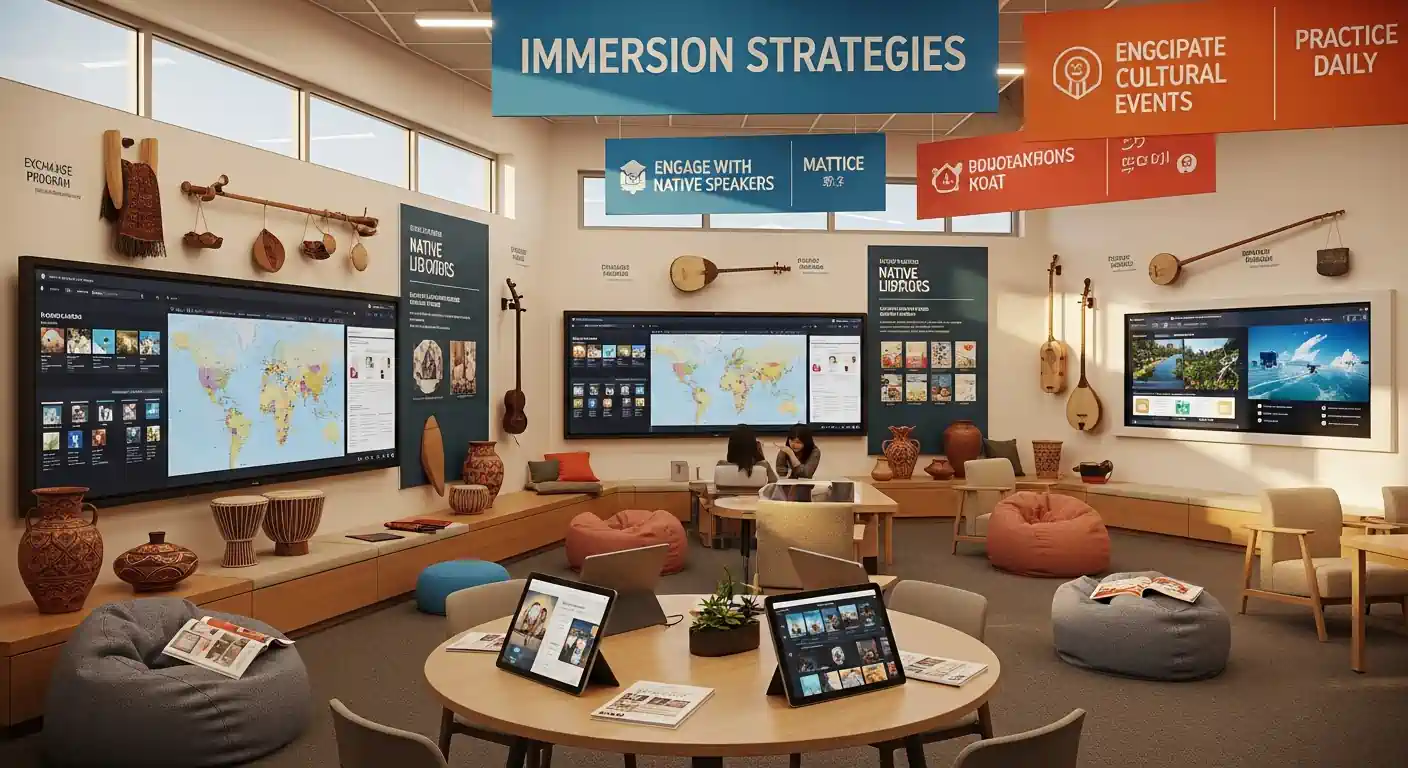
Embarking on the journey of learning a new language is an exciting, yet often daunting, endeavor. Many aspire to conversational fluency, but few reach their linguistic goals due to ineffective methods or waning motivation. This expert guide unveils proven methods for foreign language success, offering a roadmap to not just learning, but mastering a new tongue. We cut through the noise to present actionable strategies that foster genuine understanding and confident communication. Prepare to transform your language learning experience from frustrating to fulfilling.
Key Points:
- Immersion and Consistent Practice: Create an environment where the target language is part of your daily life.
- Active Learning Techniques: Move beyond passive listening and engage actively with the material.
- Focus on Core Vocabulary and Grammar: Prioritize essential building blocks for faster progress.
- Embrace Mistakes as Learning Opportunities: Develop resilience and overcome the fear of speaking.
- Leverage Technology and Resources: Utilize modern tools to enhance your learning journey.
Unlocking Your Language Potential: Proven Methods for Foreign Language Success
The quest for foreign language fluency is a marathon, not a sprint. While some may dream of instantaneous mastery, the reality involves dedication, strategic planning, and the application of effective learning principles. This guide delves into the proven methods for foreign language success that have been validated by educators and experienced polyglots alike. We will explore techniques designed to accelerate your progress, deepen your understanding, and build the confidence needed to speak your new language with ease.
The Power of Immersion: More Than Just Travel
Immersion is widely considered the gold standard for language acquisition, but it doesn't always require a passport. Creating an immersive environment at home is surprisingly achievable and incredibly effective. This involves surrounding yourself with the target language as much as possible.
Daily Habits for Effective Immersion:
- Change Device Language: Switch your phone, computer, and social media interfaces to your target language. This forces constant, low-stakes exposure.
- Consume Media: Watch movies, TV shows, and listen to podcasts or music in your target language. Start with subtitles in your native language, then switch to target language subtitles, and eventually, no subtitles.
- Read Regularly: Begin with children's books or graded readers, gradually progressing to news articles, blogs, and novels. This expands vocabulary and familiarizes you with sentence structures.
- Label Your Surroundings: Place sticky notes with the names of objects in your home in the target language. This reinforces everyday vocabulary.
Active Learning Strategies for Deeper Understanding
Passive consumption of a language will only take you so far. To achieve true language proficiency, you must actively engage with the material. Active learning techniques move you from a receiver of information to a participant in the learning process.
Engaging with the Language:
- Spaced Repetition Systems (SRS): Tools like Anki or Quizlet use algorithms to present vocabulary and grammar at increasing intervals, optimizing memorization. This is a cornerstone of efficient vocabulary building, a crucial aspect of speaking fluency and pronunciation.
- Shadowing: Listen to native speakers and immediately repeat what they say, mimicking their intonation, rhythm, and pronunciation. This is a powerful technique for improving your accent and speaking flow.
- Summarizing and Retelling: After reading an article or watching a video, try to summarize it in your own words in the target language. This tests comprehension and forces you to use the language actively.
- Language Exchange Partners: Find native speakers who want to learn your language. Dedicate half your time to speaking their language and half to speaking yours. Platforms like italki or HelloTalk facilitate these connections.
- Journaling: Regularly write in your target language. Start with simple sentences about your day and gradually increase complexity. Reviewing your entries can help identify recurring errors.
Prioritizing Core Components for Faster Fluency
Not all vocabulary or grammar is created equal. Focusing on the most frequent and essential elements of a language will yield faster results and build a stronger foundation for achieving language goals.
Building Essential Language Blocks:
- High-Frequency Vocabulary: Aim to learn the most common 1,000-3,000 words in your target language. These words make up a significant percentage of everyday conversation. For example, research by linguists such as Dr. Paul Nation highlights the importance of learning high-frequency words for rapid comprehension and production.
- Essential Grammar Structures: Instead of memorizing every rule, focus on the core grammatical structures that enable basic sentence formation and communication. This includes understanding verb conjugations for present, past, and future tenses, pronoun usage, and common sentence patterns.
- Pronunciation Fundamentals: Pay attention to the basic sounds and intonation patterns of the language from the outset. Correcting pronunciation early is easier than fixing ingrained habits later. This directly impacts speaking fluency and pronunciation.
Embracing Mistakes: The Catalyst for Growth
The fear of making mistakes is a major inhibitor for language learners. However, errors are not failures but opportunities for learning. Every mistake you make is feedback that highlights areas needing improvement.
Cultivating a Growth Mindset:
- Speak Early, Speak Often: Don't wait until you feel "perfect." The sooner you start speaking, the sooner you will identify your weak points and get corrected.
- Ask for Corrections: Encourage your language partners or tutors to correct your mistakes. Frame it as valuable feedback that helps you learn.
- Analyze Your Errors: When you make a mistake, try to understand why. Was it a vocabulary issue? A grammar oversight? A pronunciation slip? This analysis is crucial for language learning strategies.
- Celebrate Small Wins: Acknowledge your progress, no matter how small. Successfully ordering a coffee or understanding a short conversation is a victory worth celebrating.
Leveraging Modern Technology and Resources
The digital age offers an unprecedented array of tools to support language learning. From AI-powered apps to vast online communities, technology can significantly enhance your learning experience.
Digital Tools for Language Mastery:
- Language Learning Apps: Duolingo, Babbel, Memrise, and others offer structured lessons, vocabulary drills, and gamified learning. They are excellent for beginners and for reinforcing daily practice.
- Online Dictionaries and Translators: Websites like WordReference and DeepL provide comprehensive dictionaries, conjugation tables, and context-aware translations.
- Virtual Tutors and Classes: Platforms like italki, Preply, and Verbling connect you with native-speaking tutors for personalized lessons, focusing on speaking fluency and pronunciation.
- YouTube Channels and Podcasts: Many creators produce free content tailored to language learners, covering grammar, vocabulary, culture, and pronunciation.
Differentiated Value: Beyond the Basics
While the above methods are foundational, true success often comes from going a step further and incorporating unique approaches that address common plateaus and modern learning science.
Advanced Strategies for Accelerated Fluency:
- The "Comprehensible Input" Approach (Krashen's Hypothesis): Dr. Stephen Krashen’s influential work suggests that language acquisition occurs most effectively when learners are exposed to input that is slightly beyond their current level (i+1). This means engaging with materials you can mostly understand, but which still present new challenges. This principle is key to naturally acquiring grammar and vocabulary without rote memorization. For example, listening to a podcast where you understand 80% of the content allows your brain to subconsciously acquire the remaining 20%. This is a highly effective, evidence-based language learning approach.
- Utilizing AI for Personalized Feedback: Recent advancements in AI offer sophisticated tools that go beyond simple grammar checks. Platforms are emerging that can analyze your spoken language, providing detailed feedback on your accent, intonation, and even grammatical accuracy in real-time. This can offer a level of personalized practice and correction that was previously only available through one-on-one tutoring, offering a cutting-edge method for improving speaking fluency and pronunciation. A 2024 study published in the Journal of Applied Linguistics Technology highlighted that AI-powered pronunciation feedback tools significantly improved learners' accuracy and confidence compared to traditional methods.
Expert Insights and Real-World Application
As a language enthusiast who has navigated the complexities of learning multiple languages, I've found that consistent application of these proven methods for foreign language success is paramount. My own journey with Spanish and French, for instance, dramatically accelerated when I shifted from textbook-only learning to a daily immersion routine and actively sought out speaking practice. I remember struggling with verb conjugations in French for months, only to have them "click" after I started watching French historical dramas and consciously trying to use the past tense in my journaling. This personal experience underscores the importance of making learning contextual and engaging.
Frequently Asked Questions
Q1: How much time should I dedicate daily to learning a language? A consistent daily commitment, even just 15-30 minutes, is more effective than infrequent marathon study sessions. Focus on quality over quantity, incorporating active learning and immersion techniques into your routine.
Q2: When should I start speaking the language? Start speaking from day one! Don't wait for perfection. Even simple phrases and attempts at communication are vital for building confidence and identifying areas for improvement. Mistakes are part of the learning process.
Q3: What's the best way to overcome the fear of speaking? Practice in low-stakes environments like language exchanges or with patient tutors. Focus on conveying your message rather than grammatical perfection. Remember that most native speakers appreciate your effort and are happy to help.
Q4: How do I know if I'm making progress? Track your learning. Keep a journal of new vocabulary, grammar points learned, and practice sessions. Regularly re-listen to recordings of yourself speaking to notice improvements. Celebrate small milestones, like understanding a new phrase or having a short conversation.
Your Next Steps to Foreign Language Mastery
Achieving foreign language success is an accessible goal with the right approach. By integrating immersive practices, active learning techniques, and a mindset that embraces mistakes, you are well on your way to fluency. Don't be discouraged by challenges; view them as stepping stones.
Ready to accelerate your language journey?
- Commit to a daily practice: Even 15 minutes can make a difference.
- Find a language partner: Connect with native speakers for practice.
- Explore new media: Immerse yourself in music, films, or podcasts.
We encourage you to share your own proven methods for foreign language success in the comments below! Your experiences can inspire and help fellow learners. Subscribe to our newsletter for more expert language learning tips and resources. For further exploration, delve into our related articles on mastering pronunciation and building vocabulary effectively.