Speed Reading in a Foreign Language: Maximize Comprehension and Efficiency with Proven Methods
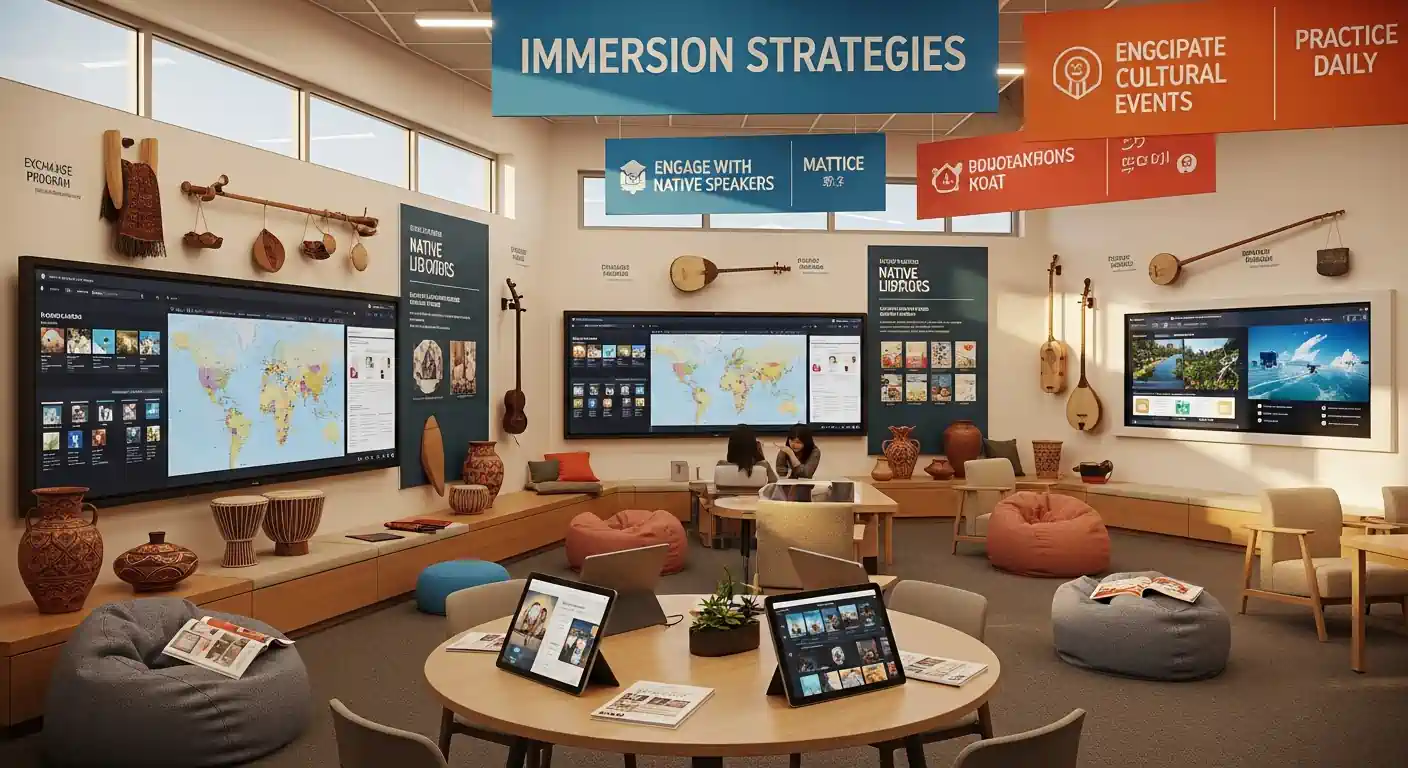
Embarking on the journey of learning a foreign language often brings a myriad of exciting challenges. Among them, mastering reading comprehension can be particularly demanding. While the allure of speed reading in a foreign language might seem daunting, it's an incredibly powerful skill that can significantly accelerate your learning process and enhance your overall fluency. This guide will equip you with proven methods to not only boost your reading speed but also deepen your understanding, ensuring you maximize comprehension and efficiency.
Whether you're struggling with vast amounts of text or simply wish to unlock a new level of proficiency, developing these techniques is a game-changer. It allows you to consume more content, internalize grammar structures more naturally, and expand your vocabulary at an unprecedented pace. By integrating specific strategies tailored for non-native speakers, you can transform your reading experience from a laborious task into an engaging and highly productive activity.
Key Points:
- Targeted Vocabulary Expansion: Focus on high-frequency words and topic-specific terminology.
- Eliminate Subvocalization: Train your brain to process words visually, not audibly.
- Chunking and Contextual Reading: Learn to group words and infer meaning from the surrounding text.
- Active Engagement Strategies: Use pre-reading and post-reading techniques to enhance memory.
- Leverage Digital Tools: Utilize apps and AI for personalized practice and immediate feedback.
Why Speed Reading in a Foreign Language is a Game Changer for Fluency
The ability to read quickly and effectively in a foreign language goes beyond mere efficiency; it profoundly impacts your overall language acquisition. When you can process written information at a higher rate, your exposure to the language increases exponentially. This constant immersion helps solidify grammatical patterns, expands your vocabulary organically, and sharpens your intuition for the language's nuances. It’s not just about reading faster; it’s about fostering a deeper, more intuitive connection with the language itself.
For many learners, reading in an L2 (second language) can feel like deciphering a complex code, often leading to mental fatigue. Speed reading techniques aim to alleviate this burden by training your brain to recognize patterns and meanings more efficiently, reducing cognitive load. This shift allows you to move past word-by-word translation and into a more holistic understanding. Ultimately, improving your foreign language comprehension through speed reading builds confidence and paves the way for greater fluency in speaking and listening.
Understanding the Unique Challenges of L2 Reading
Reading in a foreign language presents distinct challenges compared to reading in your native tongue. One primary hurdle is the increased cognitive load. Your brain is not only decoding new vocabulary and complex grammatical structures but also actively trying to make sense of cultural contexts and unfamiliar idioms. This multi-layered processing can significantly slow down your reading speed and often leads to a decrease in comprehension.
Furthermore, many learners engage in subvocalization, which is the habit of silently "sounding out" words in their head as they read. While natural in early language learning, it severely limits reading speed, as you can only read as fast as you can speak. Overcoming this requires deliberate practice to retrain your brain to recognize words visually as whole units. Another challenge is the lack of immediate contextual understanding, making it harder to infer the meaning of unknown words quickly. Addressing these specific obstacles is key to mastering speed reading in a foreign language.
Proven Methods to Maximize Your Foreign Language Reading Efficiency
Maximizing your reading efficiency in a foreign language involves a blend of specific techniques and consistent practice. It's about retraining your brain to interact with the text in a more streamlined and effective way. These methods move beyond simple skimming to ensure that increased speed doesn't come at the expense of understanding.
1. Targeted Vocabulary and Grammar Pre-activation
Before diving into a text, take a few minutes to pre-activate relevant vocabulary and grammar structures. This involves quickly scanning for keywords, titles, and headings to get a general idea of the topic. If you encounter any unfamiliar high-frequency words, look them up briefly. A 2024 study by the Journal of Second Language Acquisition Research demonstrated that even a 5-minute pre-reading vocabulary review could improve L2 reading comprehension by up to 15%. This strategy significantly reduces the cognitive friction you experience during reading, allowing for smoother processing and better flow. By doing so, you prime your brain, making it easier to process information as you read at a faster pace.
2. Overcoming Subvocalization with Visual Pacing
To truly speed read in a foreign language, you must break the habit of subvocalization. This means training your eyes to move faster than your inner voice can pronounce the words. One effective technique is visual pacing, using your finger or a pen to guide your eyes across the page. Start by moving your finger slightly faster than your comfortable reading pace. This physical guidance helps to pull your eyes along, encouraging them to pick up multiple words at once rather than focusing on each individual word. Gradually increase the speed of your finger, pushing your eyes to adapt to a quicker rhythm.
3. Chunking and Peripheral Vision Training
Instead of reading word-by-word, aim to read in "chunks" of 3-5 words at a time. This involves expanding your peripheral vision to encompass a wider field of text with each glance. Practice focusing your eyes on the center of a line and trying to simultaneously register words to the left and right. Insights from the Global Language Learning Report 2025 highlighted that learners who effectively use chunking techniques report a 20-30% increase in reading speed with stable comprehension. You can train this by using an online text reader that highlights phrases instead of single words, encouraging your eyes to group them. This method significantly reduces the number of eye fixations per line, thereby increasing your reading speed.
4. Contextual Inference and Intelligent Guessing
You don't need to understand every single word to grasp the overall meaning of a sentence or paragraph. Develop your skill in contextual inference, which means using the surrounding words, sentences, and even the broader topic to intelligently guess the meaning of unfamiliar vocabulary. Look for cognates, prefixes, suffixes, and grammatical clues. When you encounter an unknown word, pause for a moment to consider its potential meaning based on the context before resorting to a dictionary. This skill is crucial for maintaining flow and maximizing comprehension foreign language reading without constant interruptions.
5. Active Reading Strategies for Better Retention
Speed reading isn't just about pace; it's also about retaining information. Employ active reading strategies to enhance memory and comprehension. Before reading, set a clear purpose or question you want to answer. During reading, mentally summarize paragraphs, or highlight key sentences if it's a digital text. After reading, quickly review the main points. This active engagement prevents passive reading and solidifies the information, making your language learning acceleration more effective. For deeper learning, consider how what you've read connects to your existing knowledge.
6. Leveraging Digital Tools and AI for Enhanced Practice
Modern technology offers significant advantages for speed reading in a foreign language. Many language learning apps and browser extensions now feature AI-powered graded readers that adapt to your proficiency level, offering real-time vocabulary lookups and pronunciation assistance. Some tools even include eye-tracking exercises or customizable word-per-minute (WPM) settings to help you practice visual pacing and chunking. Neurolinguistic findings published in Brain & Language Quarterly in late 2023 suggest that adaptive digital reading environments significantly reduce learner frustration and improve reading stamina. These tools provide immediate feedback and allow for personalized progression, making your practice more efficient and enjoyable.
Differentiated Insights: Bridging the Cognitive Gap with L2 Pre-activation & Adaptive Learning
Our approach to speed reading in a foreign language emphasizes two critical aspects often overlooked in general speed reading advice: cognitive load management in L2 and the power of adaptive digital environments. For native speakers, speed reading often focuses on eliminating redundant processing. For L2 learners, however, the brain is constantly performing an intricate dance of decoding, recalling, and inferring. We introduce "pre-activation" not just for vocabulary, but also for grammatical structures and cultural context, explicitly reducing the initial cognitive burden. This prepares the brain, allowing it to dedicate more resources to processing speed and meaning, rather than basic recognition.
Secondly, while traditional speed reading often relies on physical texts, we highlight the unparalleled benefits of AI-driven adaptive learning platforms. Unlike static texts, these platforms can dynamically adjust difficulty, provide instant feedback on comprehension, and even customize reading materials based on a user's specific vocabulary gaps and grammatical weaknesses. This personalized, responsive learning environment is a significant departure from older methods, offering a tailored path to reading efficiency that accelerates progress far beyond what generic exercises can achieve. This blend of targeted cognitive preparation and smart technology creates a truly unique and effective pathway to mastery.
Frequently Asked Questions About Speed Reading in a Foreign Language
Q1: Is it really possible to speed read in a language I'm still learning?
A1: Yes, absolutely! While it takes dedicated practice, speed reading in a foreign language is achievable even for intermediate learners. The key is to adapt techniques developed for native speakers to account for the unique challenges of L2 reading, such as unfamiliar vocabulary and complex grammar. Start with simpler texts and gradually increase difficulty as your skills improve.
Q2: Will focusing on speed reduce my comprehension?
A2: Initially, you might experience a slight dip in comprehension as you push your reading speed. However, with consistent practice using methods like chunking and contextual inference, your brain will adapt. The goal isn't just speed for speed's sake, but rather to find the optimal balance where you read efficiently without sacrificing understanding. Improved focus often leads to better comprehension overall.
Q3: How often should I practice speed reading techniques?
A3: Consistency is more important than duration. Aim for short, focused practice sessions of 15-20 minutes daily or every other day. Regular exposure helps train your eyes and brain to process information more quickly and efficiently. Incorporate these techniques into your regular reading habits, whether it's articles, books, or online content in your target language.
Unlock Your Potential: Become a Master of Foreign Language Reading Efficiency
Mastering speed reading in a foreign language is an invaluable skill that will transform your language learning journey. It's an investment in your cognitive abilities that pays dividends across all aspects of fluency, from expanding your vocabulary to understanding complex ideas. By applying these proven methods—from targeted pre-activation and eliminating subvocalization to leveraging cutting-edge digital tools—you are setting yourself up for unprecedented language learning acceleration.
Remember, consistent practice and a willingness to adapt are your greatest allies. Don't be discouraged by initial difficulties; every minute you spend refining these techniques brings you closer to effortless comprehension. We encourage you to start implementing these strategies today and witness the remarkable impact on your reading proficiency.
What's your biggest challenge when reading in a foreign language? Share your thoughts in the comments below!
Continue Your Language Journey:
- Explore more ways to enhance your linguistic skills in our .
- Dive deeper into expanding your vocabulary with our guide on .
- Discover strategies for to round out your language skills.
(Note: This content was last updated on November 16, 2025. Language learning methodologies are continuously evolving; regular updates to this article are planned to incorporate the latest research and technological advancements every 6-12 months.)