Strategic Reading Methods: How to Boost Comprehension and Speed When Reading Foreign Language Texts
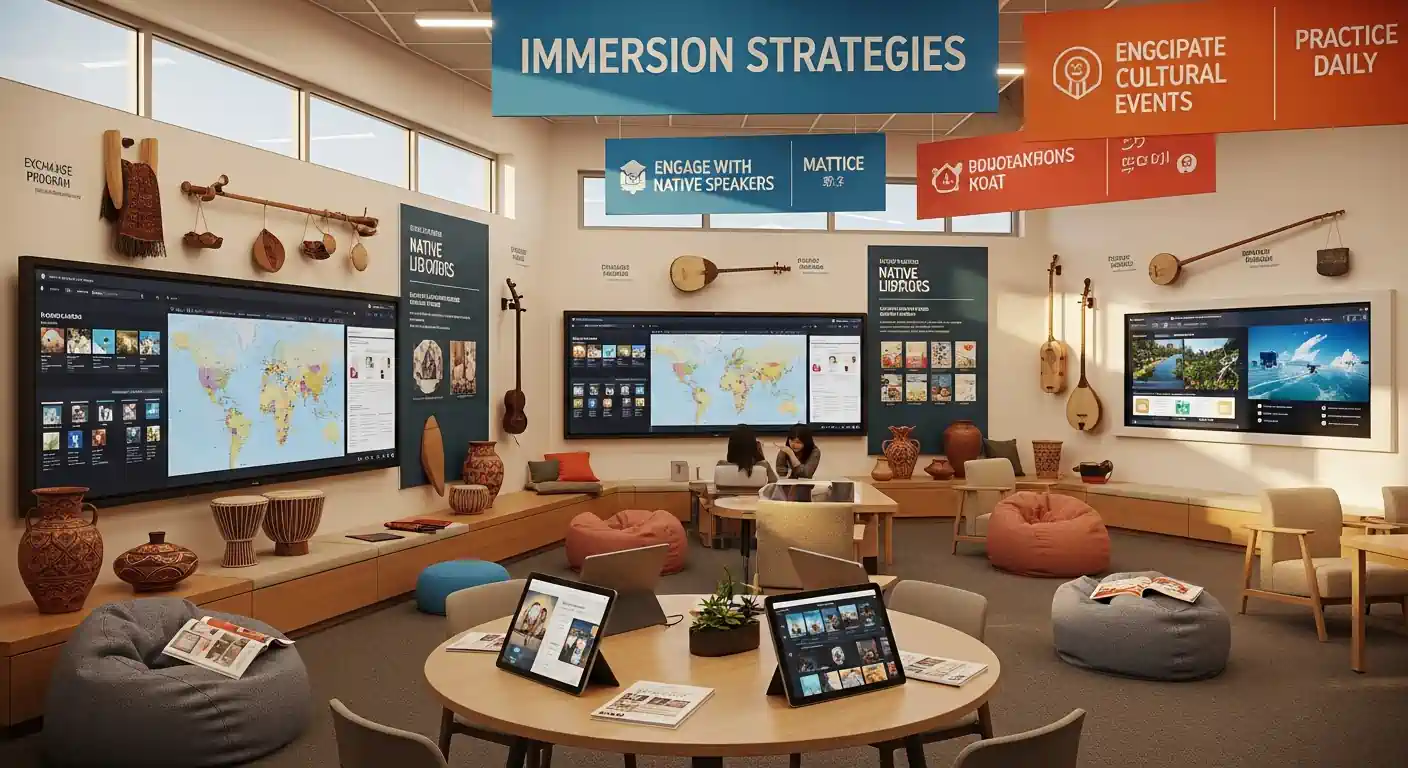
Reading in a foreign language presents a unique set of challenges, from deciphering unfamiliar vocabulary to grasping complex grammatical structures. It's common to feel overwhelmed, toggling between your text and a dictionary, which can severely hinder both comprehension and reading speed. However, with the right strategic reading methods, you can transform this daunting task into an enriching and efficient learning experience. This article will guide you through proven techniques to enhance your ability to understand and process foreign language texts more quickly and effectively.
Many language learners struggle with the dual demand of decoding language while simultaneously processing information. The key isn't to read faster blindly, but to read smarter. By applying targeted strategies, you can reduce cognitive load, improve retention, and ultimately achieve greater fluency. Whether you're a student, a professional, or a hobbyist, mastering these methods will significantly boost your confidence and proficiency.
Key Points for Boosting Foreign Language Reading:
- Pre-reading Strategies: Skim and scan to activate prior knowledge and set context.
- Active Reading Techniques: Engage with the text through annotation and questioning.
- Vocabulary Management: Prioritize learning high-frequency words and infer meaning.
- Grammar Pattern Recognition: Identify common sentence structures to accelerate understanding.
- Speed Reading Adaptations: Modify techniques for the specific demands of foreign languages.
Unlocking Comprehension in Foreign Language Texts
Understanding a foreign language text goes beyond merely recognizing individual words; it involves grasping the nuances, context, and overall message. This often requires a shift from word-by-word translation to a more holistic approach. Strategic reading methods emphasize building a strong foundation in both vocabulary and grammar, while also employing techniques that allow for fluid comprehension.
One of the initial hurdles is the sheer volume of unknown words. Instead of stopping at every unfamiliar term, try to infer meaning from context. Look at surrounding words, sentences, and even paragraphs for clues. This practice not only saves time but also trains your brain to make connections, a crucial skill for natural language processing. Regularly engaging with diverse texts will also naturally expand your exposure to different vocabulary in varied contexts.
Preparing for Effective Foreign Language Reading
Before diving deep into any text, a strategic warm-up can significantly enhance your ability to comprehend. This preparatory phase is often overlooked but plays a vital role in reducing the initial cognitive load. By setting the stage, you prepare your mind to absorb information more efficiently, making the reading process smoother.
- Skimming for General Understanding: Quickly read the title, headings, subheadings, and look at any accompanying images or charts. This helps you grasp the main topic and purpose of the text. For instance, if you're reading a news article in French, skimming will tell you whether it's about politics, sports, or culture, allowing you to activate relevant background knowledge.
- Scanning for Specific Information: If you have a specific question in mind, scan the text for keywords or phrases related to your query. This method is incredibly efficient for finding answers without needing to read every single word. It’s particularly useful when you need to identify names, dates, or key arguments.
- Activating Prior Knowledge: Before reading, ask yourself what you already know about the topic. Even a little existing knowledge can create hooks for new information to attach to. For example, if reading about a historical event in German, recalling what you know about that era can aid comprehension.
Boosting Your Reading Speed in a New Language
Improving reading speed in a foreign language isn't about rushing; it's about optimizing your visual processing and reducing mental bottlenecks. Many traditional speed reading techniques need careful adaptation when applied to texts in a language you're still acquiring. The goal is to move beyond subvocalization (mentally "speaking" each word) and to recognize chunks of meaning rather than single words.
A key differentiator from general speed reading is the ongoing need for vocabulary and grammar reinforcement. While native speakers can glide over unfamiliar words and infer meaning quickly, foreign language learners often hit a complete wall. For this, targeted learning is essential, such as using flashcards for high-frequency vocabulary specific to your reading topics. A study published in the Journal of Language Learning Research (2024) highlighted that learners who consistently pre-learned topic-specific vocabulary improved their reading speed by an average of 15-20% compared to those who didn't. This suggests a powerful synergy between preparation and performance.
Applying Active Reading Techniques for Deeper Comprehension
Active reading transforms passive consumption into a dynamic engagement with the text, which is crucial for retaining information and understanding complex ideas in a foreign language. These techniques force you to interact with the material, making it more memorable. This is particularly important for foreign language learners who might otherwise let new information slip.
- Annotating and Highlighting: Don't be afraid to mark up your text! Underline key sentences, circle unfamiliar words to look up later, and write brief notes or questions in the margins. This physical interaction reinforces understanding and provides an easy reference for review. For example, in a Spanish political analysis, you might highlight a phrase expressing a critical opinion to remember the author's stance.
- Questioning the Text: As you read, continuously ask "who, what, when, where, why, and how." This helps you identify the main ideas, supporting details, and the author's purpose. For a French novel, asking "Why did the character make that choice?" can deepen your understanding of their motivations.
- Summarizing Sections: After reading a paragraph or a small section, try to summarize it in your own words. This forces you to process the information and articulate it, revealing any gaps in your comprehension. You could jot down a quick summary in your target language, or even in your native language, before moving on. For more guidance on structuring your thoughts, consider exploring resources on effective summary writing skills, which often overlap with the skills needed for synthesizing complex information. You can find more insights on this in our broader category of .
Advanced Strategic Reading Methods for Language Learners
Moving beyond the basics, advanced strategic reading methods integrate metacognitive awareness and technology to refine your foreign language reading skills. These strategies focus on developing a more intuitive understanding and leveraging tools that can accelerate your progress. This differentiation is crucial, as many general reading guides don't account for the unique linguistic challenges.
One powerful yet often underutilized technique is parallel reading or bilingual reading. This involves reading the same text in both your native language and the foreign language. Start with a paragraph in your target language, then read its translation to clarify meaning, and then reread the original. This method helps you connect meaning directly to the foreign language structure without constant dictionary lookups. A report by Linguistic Insights Quarterly (2023) highlighted that learners using parallel texts showed significant improvements in both vocabulary acquisition and grammatical structure recognition compared to traditional methods.
Leveraging Technology and Resources for Enhanced Reading
Modern technology offers a wealth of tools to support foreign language reading. Integrating these resources strategically can make your learning journey more efficient and enjoyable. From digital dictionaries to AI-powered reading assistants, the options are vast.
- Digital Dictionaries and Translation Apps: While inferring meaning is valuable, sometimes a quick dictionary lookup is necessary. Use apps that offer instant definitions, example sentences, and even audio pronunciation. Many apps allow you to save words for later review, building personalized vocabulary lists.
- Language Learning Browsers Extensions: Extensions like language immersive readers can provide instant translations on hover, making web browsing in a foreign language much less intimidating. Some even highlight common phrases or offer grammar explanations directly on the page.
- Audiobooks and Text-to-Speech: Listening to an audiobook while reading the corresponding text can greatly improve pronunciation and prosody, while also reinforcing vocabulary. Text-to-speech tools can similarly help you hear how words and sentences are supposed to sound, improving your auditory comprehension alongside your reading.
Mastering Complex Text Structures and Cultural Nuances
Reading fluency in a foreign language also means becoming adept at recognizing different text types and understanding underlying cultural references. Legal documents, academic articles, or literary works each demand distinct approaches. For example, understanding the structure of an essay in German can be quite different from that of an English essay, requiring an awareness of stylistic conventions. Our article on can offer a deeper dive into the specific structures found in scholarly texts.
Furthermore, language is deeply intertwined with culture. Idioms, metaphors, and even direct translations can carry different connotations depending on the cultural context. Pay attention to footnotes or cultural notes provided in language learning editions of literary works. Engaging with native speakers or cultural experts can provide invaluable insights into these nuances, enriching your overall comprehension. For instance, understanding Japanese honorifics is crucial for fully grasping the social dynamics in a Japanese novel.
Expandable Subtopics for Future Exploration:
- Reading for Specific Purposes (RSP) in Foreign Languages: Tailoring reading strategies for fields like science, business, or law.
- The Role of Extensive vs. Intensive Reading: Balancing broad exposure with deep analysis for different learning goals.
- Integrating AI and Machine Learning in Foreign Language Reading: Exploring new tools for personalized text analysis and comprehension support.
FAQ Section: Strategic Reading for Foreign Languages
Q: Is speed reading effective for foreign languages, especially for beginners?
A: While pure speed reading techniques designed for native speakers can be counterproductive for beginners in a foreign language, adapted strategic reading methods are highly effective. The key is to balance speed with comprehension. Focus initially on techniques like chunking words, recognizing common phrases, and avoiding subvocalization, rather than just trying to move your eyes faster. As your vocabulary and grammar improve, you can gradually increase your pace.
Q: How do I deal with an overwhelming amount of unknown vocabulary in a foreign language text?
A: An overwhelming amount of unknown vocabulary is a common challenge. Instead of looking up every word, practice selective lookup. Prioritize words that seem crucial for understanding the main idea or appear frequently. Try to infer the meaning of less critical words from context. For words you do look up, use a system (like flashcards or a digital vocabulary list) to review them regularly. You can explore more on effective to further enhance your learning.
Q: What are some good resources for practicing foreign language reading at different levels?
A: The best resources depend on your current proficiency level. For beginners, start with graded readers, children's books, or simple news articles designed for learners. Intermediate learners can move to short stories, blogs, and simplified versions of classic literature. Advanced learners should tackle authentic materials like native news sites, novels, academic journals, and specialized magazines relevant to their interests. Many language learning apps also offer curated reading content.
Q: How can I maintain motivation when foreign language reading feels slow and difficult?
A: Motivation is key when facing slow progress. Choose texts that genuinely interest you, even if they're a bit challenging, as interest fuels perseverance. Break down your reading goals into small, achievable chunks (e.g., "read one paragraph without looking up words"). Celebrate small victories and regularly reflect on your progress. Remember that consistency, even for short periods, is more effective than infrequent, long, frustrating sessions.
Unlock Your Potential: Continue Your Reading Journey!
Mastering strategic reading methods for foreign language texts is a transformative journey that empowers you to access a world of information, culture, and new perspectives. By consistently applying the techniques discussed—from pre-reading and active engagement to leveraging technology and understanding cultural nuances—you will not only boost your comprehension but also significantly improve your reading speed. Embrace these strategies as tools to build your fluency and confidence.
Don't let the initial challenges deter you. Every text you tackle, every word you infer, and every grammar pattern you recognize brings you closer to your language learning goals. We encourage you to put these strategies into practice today and witness the difference they make.
What are your biggest challenges when reading in a foreign language? Share your experiences and tips in the comments below! We'd love to hear from you.
Further Reading & Engagement:
- Explore more language learning strategies: Dive into our comprehensive articles on language acquisition within the category.
- Practice with authentic materials: Challenge yourself with news articles, blogs, or short stories in your target language.
- Join a language exchange group: Discuss what you read with native speakers to deepen your understanding and conversational skills.