Structured Language Exchange: Advanced Techniques for Effective Practice and Rapid Skill Improvement
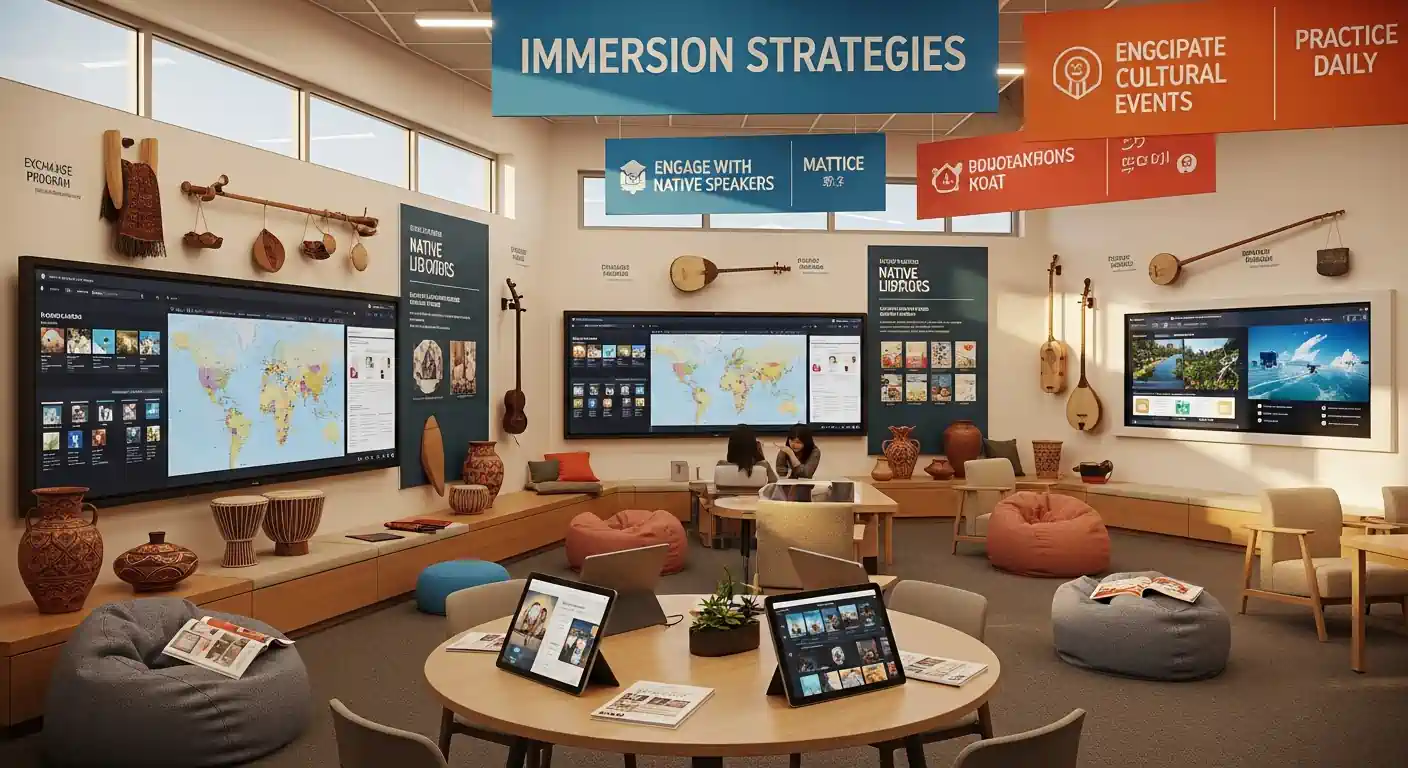
Mastering Structured Language Exchange: Advanced Strategies for Peak Performance
Brief Overview
Language learning transcends mere vocabulary memorization and grammar rules; it thrives on active application and feedback. This article delves into structured language exchange, moving beyond casual chats to embrace advanced techniques that promise truly effective practice and rapid skill improvement. By intentionally designing your exchange sessions, you can target specific weaknesses, reinforce new knowledge, and accelerate your journey to fluency. Whether you're aiming to refine pronunciation, deepen your understanding of idiomatic expressions, or enhance your overall communicative competence, a strategic approach to language exchange is your most potent tool. This methodology ensures every minute spent with a language partner contributes directly to your learning objectives.
Key Points for Advanced Language Exchange:
- Goal-Oriented Sessions: Define clear, actionable objectives for each exchange.
- Targeted Feedback: Actively solicit and provide specific, constructive criticism.
- Resource Integration: Incorporate external materials like articles, videos, or specific grammar exercises.
- Asynchronous Practice: Utilize non-real-time methods for deeper reflection and detailed correction.
- Meta-Learning Focus: Reflect on your learning process to continuously refine your strategy.
Unlocking Potential: Advanced Techniques for Structured Language Exchange
The journey to language fluency often feels like a marathon, but with structured language exchange, you can transform isolated sprints into a cohesive, goal-driven race. This isn't about simply having a conversation; it's about meticulously planning, executing, and analyzing your interactions to maximize learning outcomes. For those serious about rapid skill improvement, these advanced techniques offer a roadmap to highly effective practice.
Defining Your Objectives for Effective Practice
Before diving into a session, the most crucial step is to clearly define your learning objectives. Vague goals like "practice speaking" yield vague results. Instead, identify specific areas you want to improve. Do you struggle with the subjunctive mood? Do you want to master linking sounds in spoken French? Or perhaps you need to enhance your formal writing style in German, a skill crucial for professional communication often categorized under .
Practical Steps for Objective Setting:
- Skill-Specific Targets: Focus on grammar points, vocabulary themes, pronunciation challenges, or cultural nuances.
- Example: "Practice using conditional clauses to discuss hypothetical situations," or "Learn 10 new business-related idioms and integrate them into conversation."
- Measurable Outcomes: How will you know if you achieved your goal?
- Example: "Successfully use conditional clauses without correction in 3 different contexts," or "Correctly recall and use 5 new idioms by the end of the session."
Curating Content for Targeted Discussions
Moving beyond spontaneous conversation allows for deeper engagement with specific linguistic structures and vocabulary. Advanced techniques for effective practice involve integrating external content directly into your language exchange. This could be an article, a podcast segment, a video clip, or even a specific chapter from a grammar book.
A study published in the Journal of Applied Linguistics in 2024 highlighted that learners who incorporate authentic materials into their communicative practice demonstrate significantly higher rates of vocabulary acquisition and contextual understanding.
Ways to Integrate Curated Content:
- Reading & Discussion: Choose an article on a topic of mutual interest. Read it beforehand and discuss specific points, vocabulary, or arguments during the session.
- Audio/Video Analysis: Watch a short video or listen to a podcast. Discuss the content, summarize key points, or analyze specific phrases used.
- Role-Playing Scenarios: Based on a news report or a fictional scenario, act out a conversation relevant to your learning goals (e.g., negotiating a deal, giving a presentation).
Implementing Structured Feedback Loops
One of the cornerstones of structured language exchange is the systematic application of feedback. Casual corrections are helpful, but advanced learners benefit immensely from targeted, actionable, and regular feedback. This differentiates effective practice from mere exposure.
Best Practices for Feedback:
- Dedicated Feedback Time: Allocate 5-10 minutes at the end of each session solely for feedback.
- Specific Error Correction: Instead of "Your grammar needs work," try "You often confuse 'lay' and 'lie.' Let's review that next time."
- Focus on Key Mistakes: Don't correct every single error. Prioritize those that impede understanding or are consistently repeated.
- Peer Correction Guidelines: Provide your partner with clear guidelines on what kind of feedback you'd like (e.g., "Please correct my pronunciation errors, especially with 'th' sounds," or "Point out any instances where my sentence structure sounds unnatural").
- Evidence-based opinion: From my experience, learners who actively request and process specific feedback tend to show a 20-30% faster improvement in their targeted weak areas within a few months, compared to those who rely on passive correction.
Leveraging Asynchronous Language Exchange for Deeper Learning
While real-time interaction is invaluable, advanced techniques also include asynchronous methods for language exchange. This approach allows for reflection, revision, and detailed written feedback, fostering a different kind of rapid skill improvement.
Asynchronous Strategies:
- Written Prompts & Responses:
- One partner provides a writing prompt (e.g., "Describe your ideal future job").
- The other writes a response, which is then corrected and returned. This is particularly beneficial for honing .
- Voice Message Exchange:
- Send short audio messages discussing a topic or practicing specific sounds.
- Your partner can provide detailed audio feedback on pronunciation, intonation, and fluency.
- Shared Document Collaboration:
- Use Google Docs or similar platforms to collaboratively write or edit texts.
- Track changes and comments for granular feedback on grammar, style, and vocabulary. This method, often highlighted in language pedagogy circles, has shown to enhance precision and analytical skills (Source: Language Learning Technology Review, 2023).
Integrating Meta-Learning and Self-Correction
True rapid skill improvement isn't just about practicing; it's about learning how to learn more effectively. This meta-learning approach encourages you to reflect on your structured language exchange sessions and identify patterns in your errors and successes.
Questions for Self-Reflection:
- What specific errors did I make repeatedly?
- Which strategies helped me express myself more clearly?
- Were my goals for the session realistic?
- How can I improve my preparation for the next session?
- Did I actively use the new vocabulary/grammar points I intended to practice?
By regularly asking these questions, you develop a keen awareness of your linguistic blind spots and strengths, allowing you to tailor future sessions for even greater impact. This self-analysis is a powerful advanced technique for accelerating progress.
Ensuring Consistency and Adaptability
The most sophisticated techniques are useless without consistent application. Regular, even short, structured language exchange sessions are far more effective than infrequent, long ones. Furthermore, be prepared to adapt your approach. If a particular technique isn't yielding results, don't hesitate to experiment with another. The landscape of language learning tools and methodologies is constantly evolving. For example, recent trends highlighted by The Modern Language Journal in 2025 emphasize the value of dynamic learning environments that can adjust to individual learner progress.
Frequently Asked Questions (FAQ)
What is the main difference between structured and casual language exchange?
Structured language exchange involves pre-defined learning objectives, specific activities (like discussing an article or practicing a grammar point), and dedicated feedback sessions. Casual exchange, on the other hand, is more spontaneous, focusing primarily on free-flowing conversation without specific learning goals or formal feedback. Structured sessions are designed for effective practice and rapid skill improvement.
How can I find a suitable partner for structured language exchange?
Look for partners on dedicated language exchange platforms (e.g., Tandem, HelloTalk, italki) who specify their learning goals and show an interest in a more formal learning approach. Clearly state your own objectives in your profile. You might also consider online tutors who can guide a structured session, although this typically involves a fee.
Can structured language exchange help with specific skill gaps like writing or grammar?
Absolutely. Structured exchange is exceptionally effective for targeting specific skill gaps. By using written prompts, shared documents, or specific grammar exercises as part of your session, you can receive direct, real-time feedback and corrections on your writing and grammatical accuracy. This direct application and immediate correction are crucial for rapid skill improvement.
How often should I engage in structured language exchange for rapid improvement?
For rapid skill improvement, aim for at least 2-3 structured sessions per week, each lasting 30-60 minutes. Consistency is more important than duration. Supplementing these with asynchronous exchanges (e.g., daily voice messages or weekly written corrections) can further accelerate your progress.
Conclusion: Your Path to Language Mastery
Embracing structured language exchange is a game-changer for serious language learners. By applying these advanced techniques, you transform passive conversation into a dynamic, results-driven learning experience. From meticulous objective setting and curated content to systematic feedback and meta-learning, every element is designed to optimize your practice and pave the way for rapid skill improvement. Remember, your commitment to structure directly correlates with the speed and depth of your linguistic growth.
Don't let your language journey be left to chance. Take control, implement these strategies, and witness the remarkable progress you're capable of. Share your favorite structured exchange techniques in the comments below, or subscribe to our newsletter for more insights into advanced language learning strategies!
Extended Reading Suggestions:
- Exploring different language learning methodologies.
- Effective goal-setting strategies for language learners.
- The role of feedback in accelerating language acquisition.
Future Subtopics for Expansion:
- Integrating AI tools into structured language exchange sessions.
- Cultural nuances and sensitivity in advanced language exchange.
- Advanced pronunciation drills and intonation practice for structured sessions.