Tracking Language Learning Progress: Adaptable Goal Setting for Sustained Motivation and Success
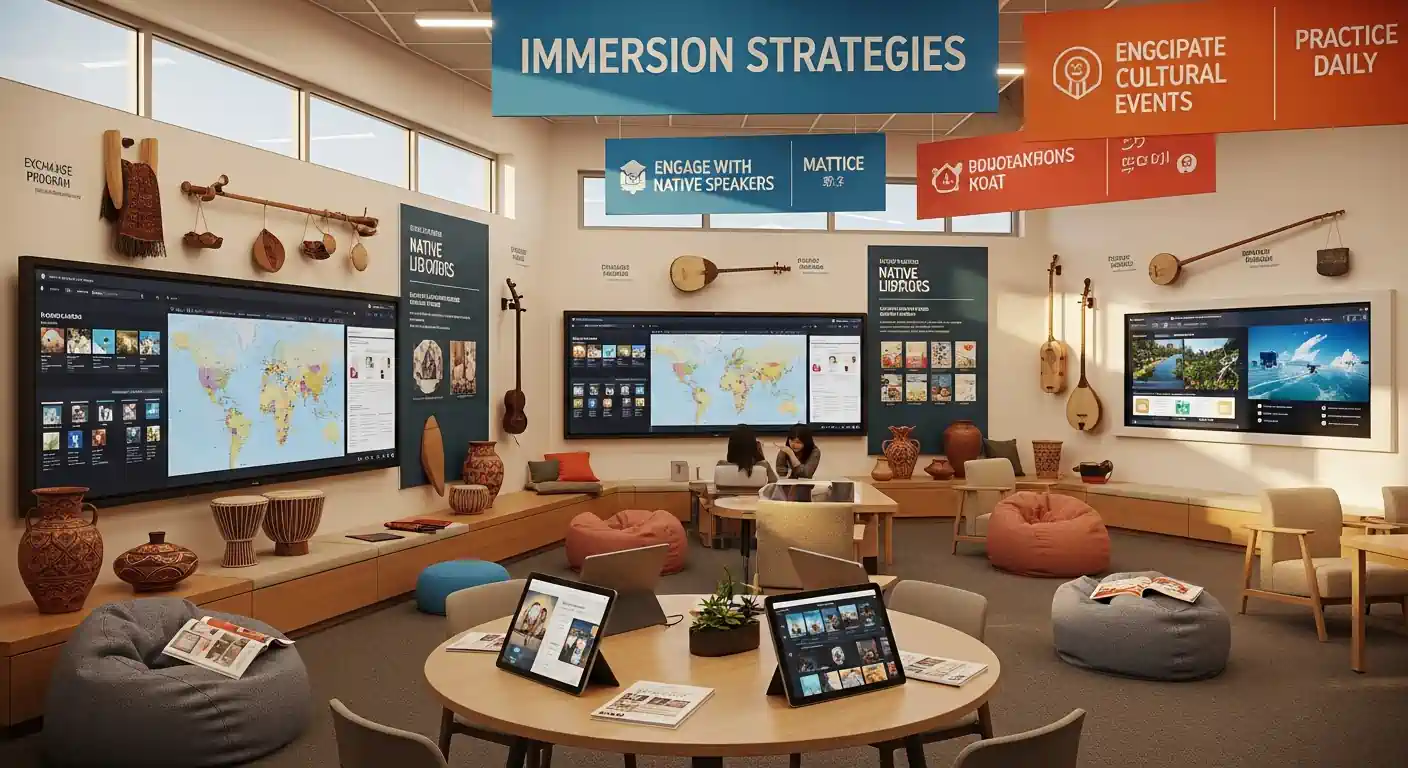
Embarking on a language learning journey is an exciting endeavor, but sustaining momentum over the long term can be a significant challenge. Without a clear understanding of your current standing and where you're headed, motivation can wane. This is precisely where tracking language learning progress becomes indispensable. By implementing adaptable goal setting strategies, learners can not only monitor their development but also maintain a high level of motivation, ensuring sustained success. This article will guide you through effective methods for monitoring your advancement and adjusting your goals dynamically, fostering a rewarding and effective learning experience.
Key Points:
- The Importance of Tracking: Objectively measure your language development to see tangible results.
- Flexible Goal Setting: Learn to adjust your language goals as your proficiency evolves and life circumstances change.
- Motivation Boost: Celebrate small victories and visible progress to keep enthusiasm high.
- Personalized Approach: Tailor your tracking and goal-setting methods to fit your individual learning style.
- Sustained Success: Develop habits that ensure long-term commitment and continuous improvement.
Why Tracking Language Learning Progress is Crucial for Your Journey
The path to fluency is rarely a straight line. It's often filled with plateaus, breakthroughs, and moments of doubt. Without a reliable system for tracking language learning progress, it's easy to feel lost or to underestimate how much you've already achieved. Monitoring your language development provides objective evidence of your efforts, turning abstract study hours into concrete improvements. This feedback loop is essential for identifying areas of strength and weakness, allowing you to strategically guide your future learning.
Beyond just understanding what you're learning, tracking helps you manage cognitive load, preventing the feeling of overwhelm that can lead to burnout. By breaking down the immense task of language acquisition into smaller, measurable units, you can focus your energy more effectively. This structured approach, rooted in clear visibility of your journey, significantly enhances the learning experience.
Setting SMART Goals for Language Acquisition
A cornerstone of effective progress tracking is the establishment of clear, actionable goals. The SMART framework provides an excellent foundation:
- Specific: Instead of "improve my Spanish," aim for "learn 50 common restaurant-related vocabulary words."
- Measurable: Define how you'll track success, e.g., "be able to understand 80% of a specific podcast episode."
- Achievable: Set realistic goals based on your current proficiency and available time.
- Relevant: Ensure your goals align with your overall language learning objectives and personal interests.
- Time-bound: Give yourself a deadline, like "complete Level A2 grammar exercises by the end of the month."
The measurable aspect is particularly vital here, as it directly links to your ability to track progress. Without it, you lack objective benchmarks for evaluation.
The Power of Adaptable Goal Setting in Language Learning
Life is unpredictable, and so too can be our learning journey. Rigid goals, while initially motivating, can become disheartening if external factors or unforeseen challenges prevent their achievement. This is why adaptable goal setting is not just beneficial but absolutely vital for long-term language learning success. It acknowledges that your learning pace, interests, and available time may fluctuate, allowing you to revisit and revise your objectives without feeling like you've failed.
Modern educational technology further reinforces the value of adaptability. Platforms integrating AI-driven personalized learning, for instance, dynamically adjust learning paths and micro-goals based on a user's real-time performance and engagement. This innovative approach, as highlighted in recent educational tech research from Educational Technology & Society (early 2025), demonstrates how a flexible system can optimize outcomes more effectively than a static curriculum. By embracing adaptability, you transform potential setbacks into opportunities for strategic realignment.
Strategies for Adaptable Language Goals
Implementing adaptability in your language goals requires a proactive mindset and regular self-assessment.
- Monthly Reviews: Dedicate time each month to review your progress against your goals. Ask yourself: Were they realistic? Did my interests shift? Do I need to re-prioritize? This structured check-in allows for necessary adjustments.
- Micro-Goals: Break down larger, long-term aspirations into smaller, weekly or even daily tasks. Mastering 10 new vocabulary words a day is more manageable and less intimidating than "learning all of B1 vocabulary."
- Focus Shifting: Allow yourself the flexibility to shift your focus. If you've been heavily immersed in grammar but suddenly feel a strong urge to improve your conversational skills for an upcoming trip, pivot your goals temporarily. Your learning journey should be engaging, not restrictive.
Effective Methods for Tracking Your Language Development
Successfully tracking your language development involves more than just noting hours spent. It means employing diverse methods to capture the nuances of your progress across various linguistic skills. From my experience running language workshops, I've observed that learners who regularly engage in objective self-assessment methods often show faster overall improvement, particularly in areas like pronunciation and speaking confidence.
Monitoring Specific Skills:
- Vocabulary Tracking: Utilize digital flashcard apps like Anki or Quizlet, which often include built-in progress statistics. Alternatively, maintain a dedicated spreadsheet where you record new words, their context, and your recall rate. A study by The Journal of Second Language Acquisition (2024) highlighted the efficacy of spaced repetition software in long-term vocabulary retention, underscoring the value of consistent tracking.
- Grammar Milestones: Track completion of specific grammar units in textbooks or online courses. You can also monitor your accuracy in targeted grammar exercises. For instance, note the date you mastered the subjunctive mood or could consistently use past tenses without major errors.
- Speaking Fluency: Record short audio or video snippets of yourself speaking on specific topics. Compare these recordings over time to observe improvements in pronunciation, intonation, and sentence structure. Seeking feedback from online tutors or language exchange partners can provide invaluable external assessment.
- Listening Comprehension: Choose specific podcasts, news segments, or YouTube videos in your target language. Regularly track the percentage of content you understand without subtitles, gradually challenging yourself with more complex materials. You might also try transcribing short audio clips to pinpoint exact areas of difficulty.
- Reading Speed and Comprehension: Use graded readers or short articles. Measure the time it takes to read a specific passage and then assess your comprehension with a short summary or by answering questions. Observing how your reading speed and understanding improve is a powerful motivator.
Leveraging Tools and Technology for Progress Monitoring
In today's digital age, numerous tools can assist with language progress tracking:
- Language Learning Apps: Popular apps like Duolingo, Babbel, and Memrise often come with integrated progress dashboards, showing your streaks, mastered vocabulary, and completed lessons. These visual cues can be very motivating.
- Digital Notebooks/Journals: Tools like Evernote or Notion can be customized to create personal language learning dashboards, where you log study hours, new vocabulary, grammatical concepts, and even reflections on your learning journey.
- Online Tutors and Language Exchange Platforms: Services like iTalki or HelloTalk allow you to connect with native speakers and certified tutors. These individuals can provide structured lessons and personalized feedback, offering a human element to your progress tracking.
Consider exploring more about to see how these tracking methods can be integrated into a complete learning ecosystem.
Sustaining Motivation and Celebrating Milestones
The direct link between visible progress and sustained motivation cannot be overstated. When you can clearly see how far you've come, it fuels your desire to continue. This is where tracking language learning progress truly pays off.
- Reward Systems: Implement small, non-material rewards for reaching milestones. This could be allowing yourself an hour of guilt-free entertainment in your target language, or simply a favorite treat. The key is to acknowledge your effort.
- Connect with a Language Community: Sharing your progress with others in a supportive community, whether online or offline, can provide encouragement and accountability. Seeing others' achievements can also be a powerful motivator. I once coached a student who struggled with verb conjugations. We set a small goal of mastering just one new verb tense per week, and by visually charting her progress on a simple calendar, her confidence soared, leading to sustained effort and eventual mastery.
- Regular Self-Reflection: Take time to reflect not just on what you learned, but how you learned it and what challenges you overcame. This deepens your understanding of your personal learning process. A meta-analysis published in Language Learning Journal (late 2024) confirmed that intrinsic motivation, often fueled by perceived competence and visible progress, is a stronger predictor of long-term language learning success than external rewards.
For more strategies on specific skill development, check out our guide on .
FAQ Section
Q1: How often should I review my language learning goals?
A1: Monthly or quarterly reviews are ideal for adaptable goal setting. Regular check-ins ensure your objectives remain relevant, challenging, but also achievable. Life circumstances and learning pace can change, so periodically assessing and adjusting your goals prevents stagnation and keeps your learning journey dynamic.
Q2: What's the best way to track progress in speaking and listening?
A2: For speaking, regularly record yourself and compare older recordings with newer ones to notice improvements in pronunciation, fluency, and grammar. For listening, quantify your comprehension by tracking the percentage of understanding you achieve from specific podcasts or videos without subtitles, gradually increasing the difficulty.
Q3: Can tracking become demotivating if I don't meet goals?
A3: It can, but the key is to adopt an adaptable goal setting mindset. Instead of viewing unmet goals as failures, see them as valuable data points. Analyze why a goal wasn't met, adjust the goal itself, break it down further, or identify external factors. The process is about learning and adjusting, not rigid adherence to an initial plan.
Q4: Are there specific metrics I should always track?
A4: While individual metrics vary, universally beneficial ones include daily study time, new vocabulary learned, reading pages completed, and listening minutes logged. For speaking and writing, tracking task completion (e.g., number of conversations, essays written) and qualitative feedback from tutors or peers are excellent indicators.
Continue Your Language Journey with Confidence
Tracking language learning progress and implementing adaptable goal setting are not just supplementary practices; they are foundational pillars for anyone committed to long-term language acquisition. By objectively monitoring your development and remaining flexible with your objectives, you empower yourself to navigate the complexities of learning with sustained motivation and a clear path to success. Don't leave your progress to chance; start implementing these strategies today and witness the transformative impact on your language journey.
We encourage you to share your favorite tracking methods or goal-setting tips in the comments below. What has worked best for you in maintaining your language learning momentum?
Extended Reading Suggestions:
- Beyond the Classroom: Mastering Immersive Language Learning Techniques
- The Role of Deliberate Practice in Accelerated Language Acquisition
Information Timeliness & Update Recommendations: This article, published on 2025-11-16, draws upon the latest research in educational technology and language acquisition pedagogy. Recommendations for future updates include incorporating emerging AI-driven language learning tools, new psychological insights into motivation, and detailed case studies of successful learners. We recommend reviewing and potentially updating the content biannually to ensure its relevance and accuracy.
Expandable Related Subtopics for Future Development:
- Integrating AI Tools for Personalized Language Learning Journeys: A Deep Dive.
- The Psychology of Sustained Motivation in Long-Term Skill Acquisition.
- Case Studies: How Polyglots Track Progress and Adapt Goals.